

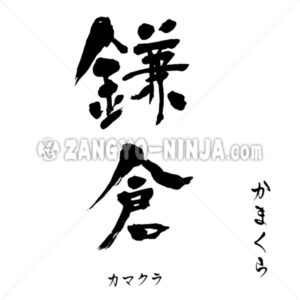
The most representative example is Kamakura in Kanagawa Prefecture. Kamakura is the location in Kamakura City, Kanagawa Prefecture, where Minamoto no Yoritomo established the Kamakura Shogunate, the center of Japan’s first samurai government. The number of tourists visiting Kamakura exceeds approximately 20 million annually. It is a temple and shrine tourist destination on par … Read More
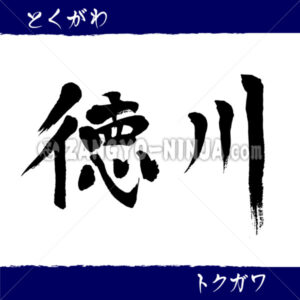
The surname of the shogunal family of the Edo shogunate, which lasted for approximately 260 years. Originally a local lord in Matsudaira Village, Kamo District, Mikawa Province, who used the Matsudaira surname, but changed it to Tokugawa during Ieyasu’s time. The Edo Shogunate began in 1603 (Keichō 8) when Tokugawa Ieyasu established it, and … Read More
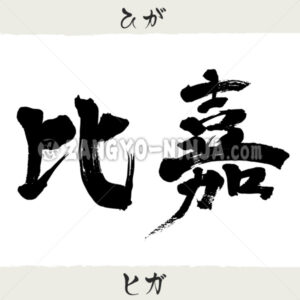
Widely distributed throughout Okinawa Prefecture, it is the most common surname in the prefecture. Derived from “bijā,” meaning east. Located in the southeastern part of Hamahiga Island, central Okinawa Island. Locally, it is collectively called Bama-Hija with the beach in the northwest. There is a rocky hill called a gusuku at an elevation of … Read More
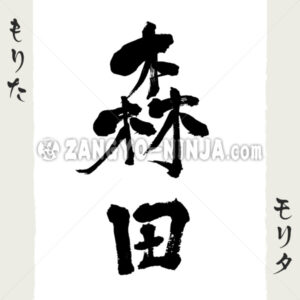
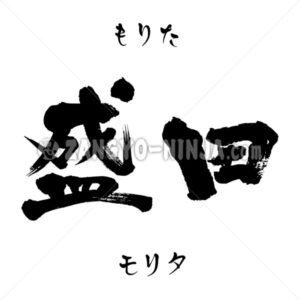
Hello, Mr. Morita. This is an explanation of the origin of the surname Morita, which is shared by your ancestors and friends. The first line on the left is in hiragana, the middle line is in kanji, and the third line on the right is in katakana, all written vertically. The first kanji character, … Read More
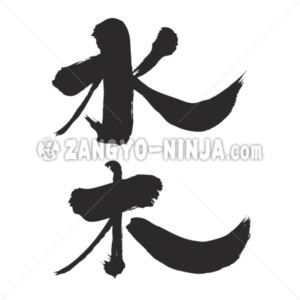
Hello, Mr. Mizuki. This is an explanation of the origin of the surname Mizuki, which is shared by your ancestors and friends. This is 2,857th surname in Japan It is said that the surnames derived from place names are very common as the origin of surnames. Mizuki is presumed to be one of them. … Read More
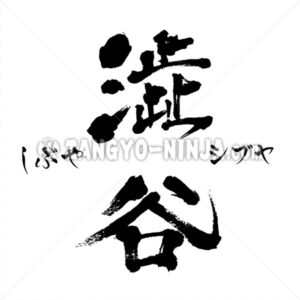
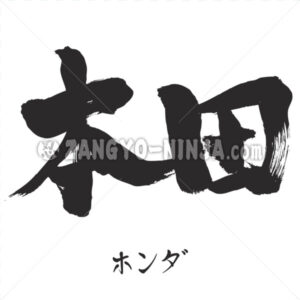
Honda is the 130th common Japanese surname. Hello, Mr. Honda. This is an explanation of the origin of the surname Honda, which is shared by your ancestors and friends. Topography. From the main rice field. It was located in the eastern part of Kagoshima Prefecture (formerly Osumi Province) during the Nanbokucho Period. It is … Read More
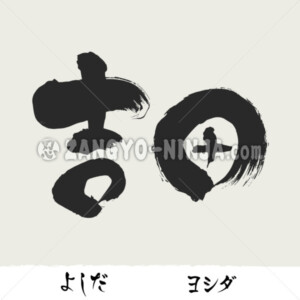
Hello, Mr. Yoshida. This is an explanation of the origin of the surname Yoshida, which is shared by your ancestors and friends. There are two main theories regarding the origin of the name: one is based on the place name, and the other is derived from “Yoshida,” which refers to rice fields with positive … Read More
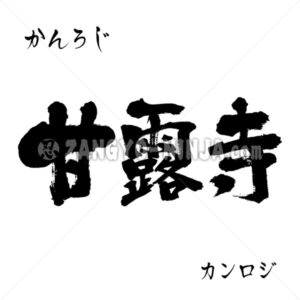
This is an explanation of Kanroji in Japan. It’s not just about name of the anime’s character. It is an extremely rare surname, with only a few dozen people bearing it nationwide today. Its origin is said to stem from the clan (Fujiwara clan) granted by Emperor Tenji to Nakatsukasa no Kamatari, also known … Read More
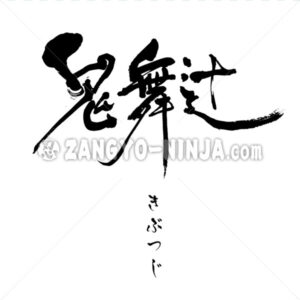
One of the extremely rare Japanese surnames. The name “Kibutsuji” isn’t just a character from the manga or anime. It may have existed in the past, but it is not currently found in Japanese surname databases. It might be a fictional surname, but “鬼” means demon, “舞” means dance, and ‘辻’ means crossroads. This … Read More
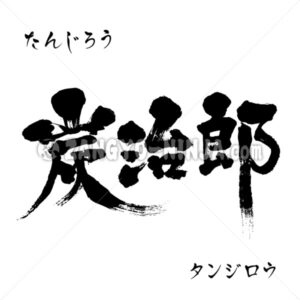
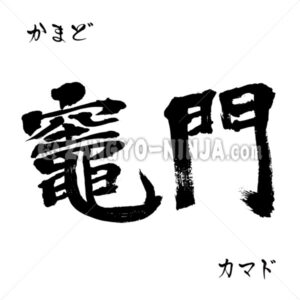
Kamado is one of the Japanese family name. The “Kamado” isn’t just a character from the manga or anime. This surname is extremely rare and uncommon, with only about 10 people bearing it in Japan. The protagonist of the manga Demon Slayer, Kamado Tanjiro, shares this surname. What is the origin of Kamado? Places … Read More
This is a calligraphy written using a method called bi-calligraphy, and it has the same meaning as the English word “growing up” and the Japanese word “成馬” in Kanji. 成馬 is a mature horse over 20 months old Although this word is not listed in the Japanese dictionary, it is sometimes read as Narima, … Read More
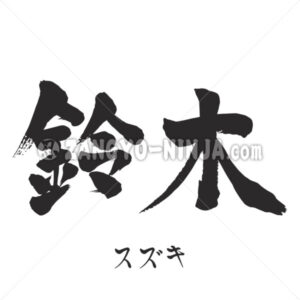
Hello, Mr. Suzuki. This is an explanation of the origin of the surname Suzuki, which is shared by your ancestors and friends. Suzuki is said to be the second most common surname in Japan. Originating from Kii Province (Wakayama Prefecture), it began when the Hozumi clan, who served as Shinto priests in Shingu City, … Read More
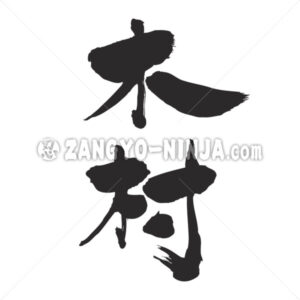
Hello, Mr. Kimura. This is an explanation of the origin of the surname Kimura, which is shared by your ancestors and friends. Multiple theories exist regarding the origin of the name “Kimura,” including: – Deriving from a place name meaning “village where trees grow thickly” – Being related to the historically known Ashikaga clan … Read More

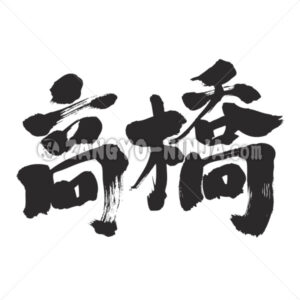
Hello, Mr. Takahashi. This is an explanation of the origin of the surname Takahashi, which is shared by your ancestors and friends. The surname Takahashi is derived from the place name “Takahashi” in various parts of the country. “Takahashi” means “the edge of a hill” or “a high bridge”, and it was named as … Read More
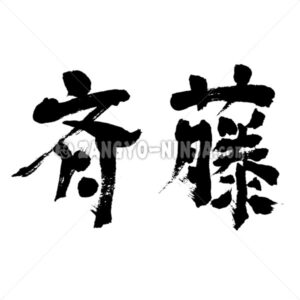
Hello, Mr. Saito. This is an explanation of the origin of the surname Saito, which is shared by your ancestors and friends. Saito is the 19th most common Japanese surname. Since Mr. Fujiwara’s family, Mochinobu, was the secretary of the “Saigu-ryo” of the government office near Ise Jingu, “Saigu-ryo” It is said that it … Read More
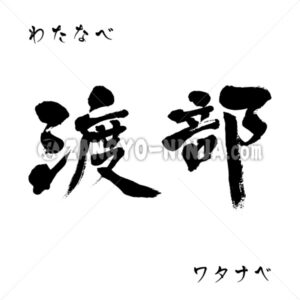
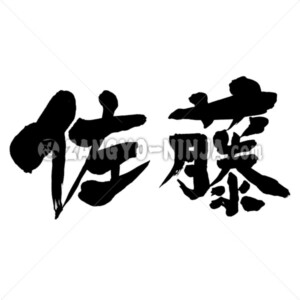
Hello, Mr. Sato. This is an explanation of the origin of the surname Sato, which is shared by your ancestors and friends. The surname Sato is said to have started with the gift of Kamatari Nakatomi (Mr. Fujiwara) from Emperor Tenchi, and the name of Sato by the descendant of Hidesato Fujiwara, Kinkiyo Saemonnojo. … Read More