


One of the Japanese first names. It’s not just about name of the manga’s character or anime. While it is not a name commonly given to modern Japanese people, it frequently appears in Japanese historical fiction such as period dramas, manga, and anime set in the past. For example, Sasuke a character for a … Read More
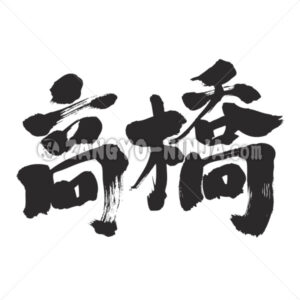
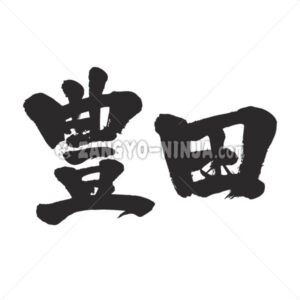
Hello, Mr. Toyoda(Toyota). This is an explanation of the origin of the surname Toyoda(Toyota), which is shared by your ancestors and friends. This kanji generally has two different readings. Since it cannot be determined from the kanji alone, you need to rely on the furigana or context in conversation to determine the correct reading. … Read More
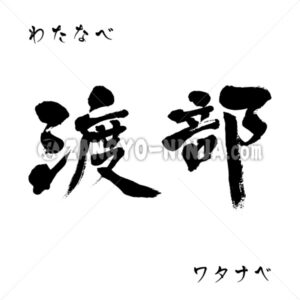
Hello, Mr. Watanabe. This is an explanation of the origin of the surname Watanabe, which is shared by your ancestors and friends. The clan traces its ancestry to Watanabe no Tsunemori (Minamoto no Tsunemori), the foremost of the Four Heavenly Kings of Yorimitsu famed for slaying demons. Its name originates from its base at … Read More
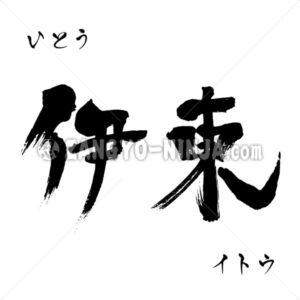
A place long famous for its hot spring resorts A tourist hot spring city in eastern Shizuoka Prefecture, located near the center of the Izu Peninsula and facing Sagami Bay. The name Ito is said to derive from its location east of Yu IZU ru kuni (the land where hot springs rise). Ito’s Industries … Read More
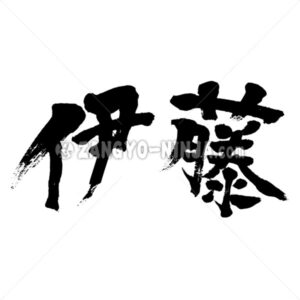
Hello, Mr. Ito. This is an explanation of the origin of the surname Ito, which is shared by your ancestors and friends. It is the fifth most common surname in Japan. The surname Ito was adopted by descendants of Fujiwara no Hidesato, a warrior of the Fujiwara clan descended from Fujiwara no Kamatari (614–69), … Read More
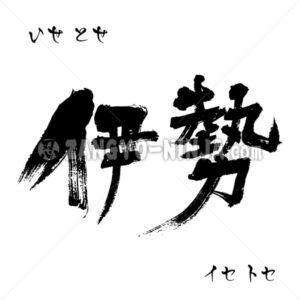
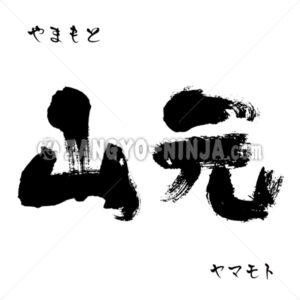
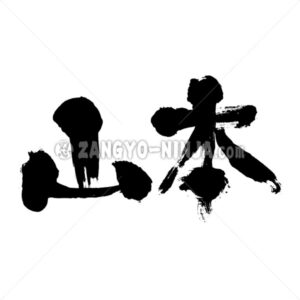
Hello, Mr. Yamamoto. This is an explanation of the origin of the surname Yamamoto, which is shared by your ancestors and friends. This is another surname with the same pronunciation but different kanji characters. Unlike the common Yamamoto in Japan (where the second character is “本” meaning “book”), this one uses “元” meaning ‘origin’ … Read More
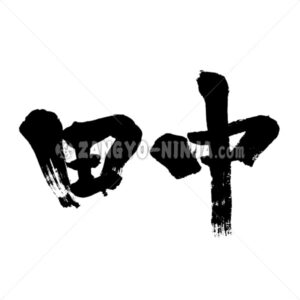
Hello, Mr. Tanaka. This is an explanation of the origin of the surname Tanaka, which is shared by your ancestors and friends. Tanaka is the 4th most common Japanese surname in Japan. The etymology is for rice fields and cultivation. The surname “Tanaka” originates from geographical features or place names such as “in the … Read More
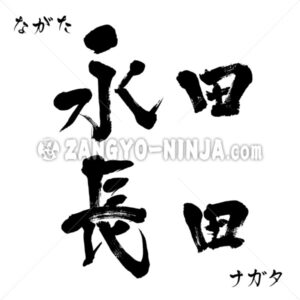
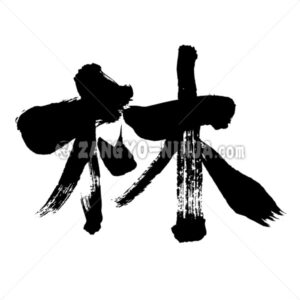
Japanese said “Hayashi” in a character Kanji. The etymology is “Hayasu”, and the conjunctive form of the verb “Hayasu” is a noun. “Hayasu” is to grow. The intention to prosper and grow. In other words, “Hayashi” is a place where trees are grown. It is also said to be a surname that originated from … Read More
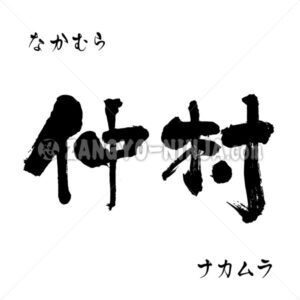
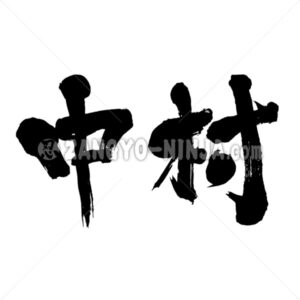
Hello, Mr. Nakamura. This is an explanation of the origin of the surname Nakamura, which is shared by your ancestors and friends. This is another surname with the same pronunciation but different kanji characters. Unlike the common Japanese Nakamura (where the first character is “中” meaning center), this one uses “仲” meaning harmony or … Read More

This is not about the date indicating a specific time and date, but rather an explanation of the Japanese word “Date.” The meaning of this word as “Date” To flaunt one’s spirit or chivalry. Also, the manner of doing so. To wear flashy clothing or behave ostentatiously to attract attention. To put on airs. … Read More
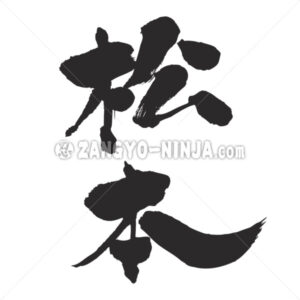
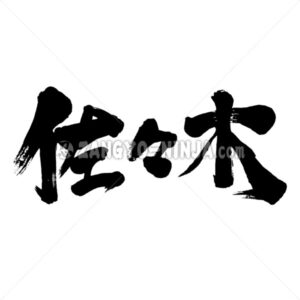
The etymology is “small saki” (protruding small terrain) as a place name. Sasaki is the 13th common Japanese surname. Hello, Mr. Sasaki. This is an explanation of the origin of the surname Sasaki, which is shared by your ancestors and friends. Originated from the area near Sasaki Shrine (formerly Sasaki) in Jorakuji, Azuchi-cho, Omihachiman … Read More
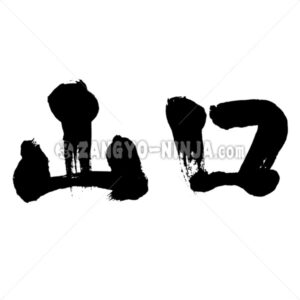
Yamaguchi has various meanings. Meaning of Yamaguchi as a noun The entrance to a mountain. The gateway to a mountain. In falconry, the act of first entering the hunting ground to begin the hunt. Also, that location. The entrance to the hunting ground. The first sign or indication of something. A woodcutter beginning to … Read More
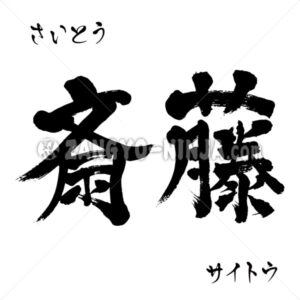
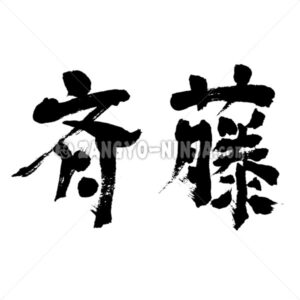
Hello, Mr. Saito. This is an explanation of the origin of the surname Saito, which is shared by your ancestors and friends. Its origin dates back to the Heian period when Fujiwara no Toshihito’s son, who was appointed as the head of the Saikyū (Sacred Palace Maiden) at Ise Shrine, adopted the name “Saito” … Read More
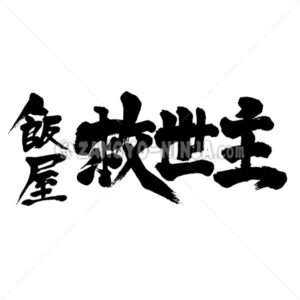
This is a fictional store name. The vertical kanji characters on the left side, “飯屋,” refer to a restaurant that serves rice dishes, a place where the general public can eat, and is called “meshiya.” The horizontal kanji on the right, “救世主,” means the name of the store. In Japanese, it is called “kyuseishu,” … Read More

Hello, Mr. Hasebe. This is an explanation of the origin of the surname Hasebe, which is shared by your ancestors and friends. The most widely accepted theory regarding the origin of this surname is that it was given to people who managed the land allotted for the livelihood of Emperor Yūryaku (c. 456–479 AD) … Read More
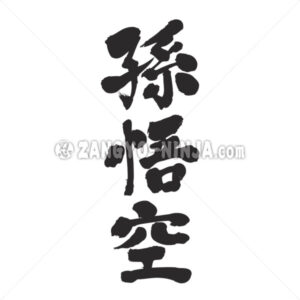
A monster monkey that appears in a Chinese feature novel “Saiyuki”. It was born from stone, learned the art of change and the art of Kintoun and made threatening heaven, and it was taken over by Nyorai (Budda). After that, he was rescued by Genjo Sanzo who would like to take a script to … Read More