

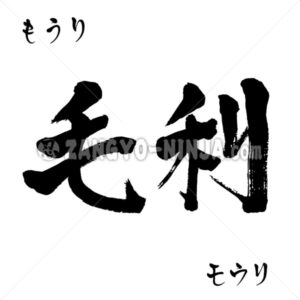
The Origin of the Mōri Clan Name. A Sengoku daimyō and early modern daimyō. Their ancestor was Suemitsu, son of Ōe no Hiromoto, who resided in Mōri Manor in Sagami Province and adopted the Mōri name. In 1270, Tokichika inherited the position of jitō (land steward) of Yoshida Manor in Aki Province from his … Read More

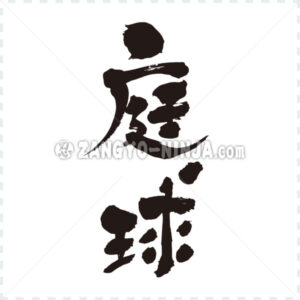
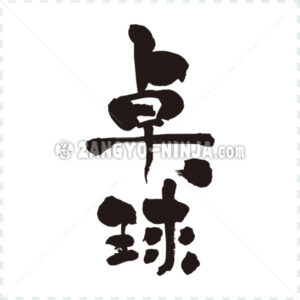
A country located in central to eastern Europe. It is bordered by five countries: Poland to the north, Ukraine to the east, Hungary to the south, and others. During its transition to a non-socialist new system, it peacefully separated from Czechoslovakia in 1993 to become a new nation. Traditionally an agricultural country, in recent … Read More
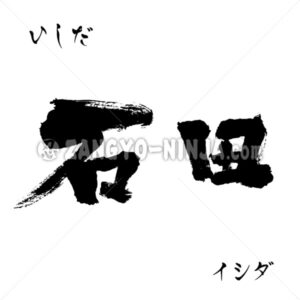
Hello, Mr. Ishida. This is an explanation of the origin of the surname Ishida, which is shared by your ancestors and friends. This surname is relatively common, with 260,000 people bearing it nationwide. Meaning of each character in this surname: “石” (pronounced ishi) → stone “田” (pronounced ta, da) → rice field As basic … Read More
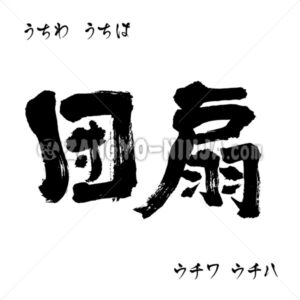
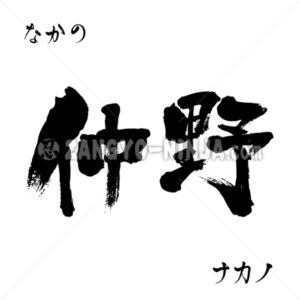
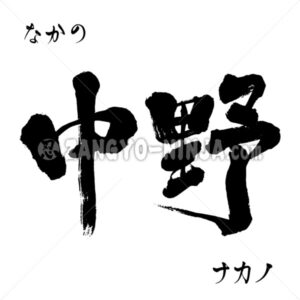
Hello, Mr. Nakano. This is an explanation of the origin of the surname Nakano, which is shared by your ancestors and friends. Approximately 17,000 Japanese people bear the Nakano surname. This is roughly equivalent to the capacity of the Kia Forum in Los Angeles. It is an alternate kanji form of the surname “Nakano”. … Read More
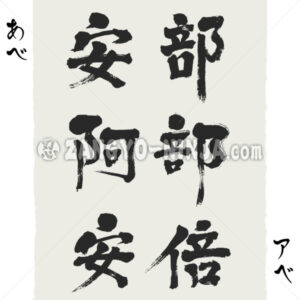
Hello, Mr. Abe. This is an explanation of the origin of the surname Abe, which is shared by your ancestors and friends. The surname Abe has three common kanji characters. They are written horizontally in three lines in the center. Regarding their origin, it is thought they all stem from the same root. It … Read More

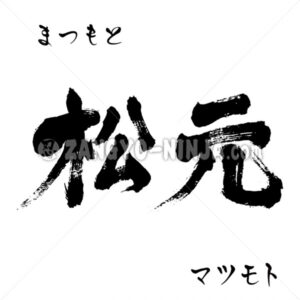
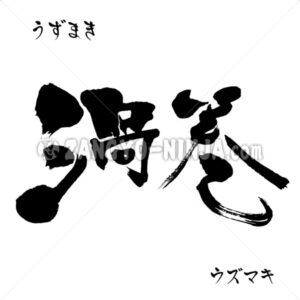
Main meanings of “Uzumaki”. It’s not just about name of the manga’s character or anime. Swirls of water or gas. Swirl-like patterns or shapes. A state where things are intensely clashing and moving. Japanese Surname An extremely rare surname with only about 10 people bearing it nationwide. The origin of the surname written with … Read More
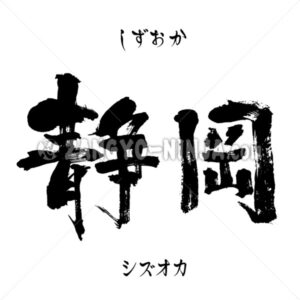
Main meanings: Prefecture name and prefectural capital name A prefecture located on the Pacific coast in the southeastern part of the Chubu region. Historically formed from the three provinces of Izu, Suruga, and Totomi. The provincial capital of Suruga Province was established here in ancient times. After the Nanboku-chō period, it became the castle … Read More

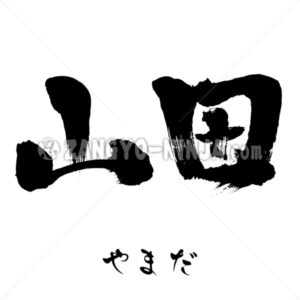
Hello, Mr. Yamada. This is an explanation of the origin of the surname Yamada, which is shared by your ancestors and friends. Yamada is the 12th most common Japanese surname. A typical geographic surname in the sense of a rice field in a mountain. It has been popular all over the country since the … Read More
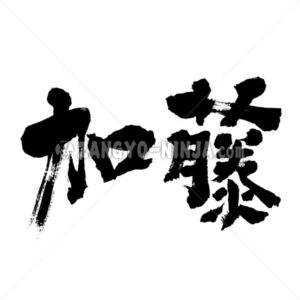
Hello, Mr. Kato. This is an explanation of the origin of the surname Kato, which is shared by your ancestors and friends. The surname Kato is said to have been derived from “Mr. Fujiwara,” who once held great power. Mr. Fujiwara, who had strong power, is said to have become more and more inconvenient … Read More
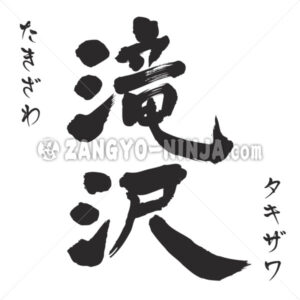

This is a word transliterated from English and written in katakana. Since it’s not a very nice word, the character spacing is narrowed and the text is stretched horizontally. Even so, Japanese people can still read it, but non-Japanese people unfamiliar with katakana writing cannot. The top row is the Japanese transliteration of “fuck,” … Read More
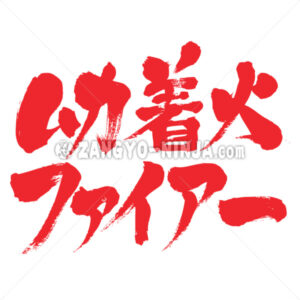

Hello, Mr. Morimoto. This is an explanation of the origin of the surname Morimoto, which is shared by your ancestors and friends. While surnames generally derive from geographical features near areas where trees grow naturally, some originate from place names. Origin from Topography and Environment “Mori” refers to a place where natural trees grow … Read More
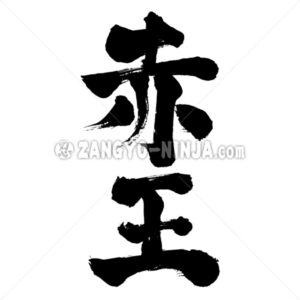

The Fujiwara surname is the ancestral root for about half of all Japanese people. There are approximately 280,000 people with the Fujiwara surname throughout Japan, equivalent to the population of Newark, New Jersey. While the Fujiwara surname’s share of 0.22% is not large, a notable point is that many surnames like Sato, Saito, Ito, … Read More

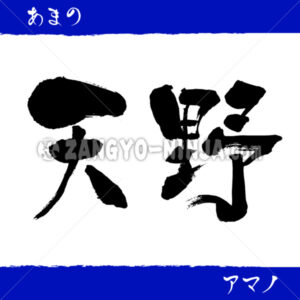
Hello, Mr. Amano. This is an explanation of the origin of the surname Amano, which is shared by your ancestors and friends. Approximately 90,000 Japanese people bear the Amano surname. This number is roughly equivalent to the capacity of the Rose Bowl in Pasadena, California, USA. The most widely accepted theory traces its origin … Read More

Hello, Mr. Nishizawa. This is an explanation of the origin of the surname Nishizawa, which is shared by your ancestors and friends. The name originates from the presence of a small stream (sawa) to the west of dwellings or owned land at the time. Many people bearing this surname reside in Nagano Prefecture. It … Read More

