
Located in the central part of the Balkan Peninsula, it is a landlocked country surrounded by eight nations.
The capital of the Republic of Serbia is Belgrade. It shares borders with Hungary to the north, Romania to the northeast, Bulgaria to the southeast, Bosnia and Herzegovina to the west, Kosovo to the south, North Macedonia to the southwest, and Montenegro to the southwest.
In 2006, following Montenegro’s independence, the country’s name was changed to the Republic of Serbia.
In 2008, the Autonomous Province of Kosovo declared independence from Serbia, resulting in the current Republic of Serbia.
In 2008, the Autonomous Province of Kosovo declared independence from Serbia, resulting in the current Republic of Serbia.
Serbia has a warm continental climate. Its plains form one of the country’s most productive grain-growing regions, with thriving cultivation of corn, wheat, and sunflowers. Agricultural production is exceptionally high. The country is rich in copper, zinc, antimony, gold, and silver resources. Industries such as machine tools, automobiles, electrical goods, and chemicals are also well-developed.
In recent years, tourism has also become an important economic pillar, attracting many visitors to sites like the Višoki Đečevo Church, a UNESCO World Heritage site, and the EXIT Festival in Novi Sad. Additionally, the region boasts numerous scenic wonders, including the Drina River flowing through the west and Tara National Park, featuring stunning mountains and rivers.
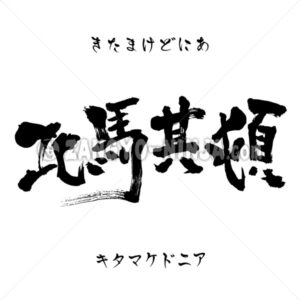
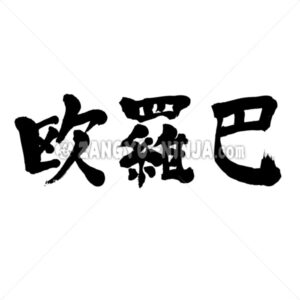
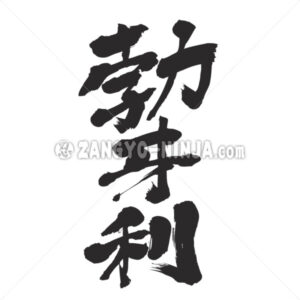
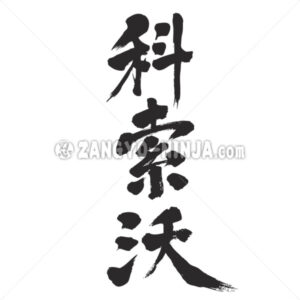
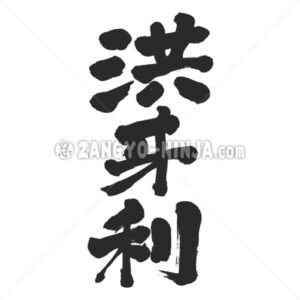
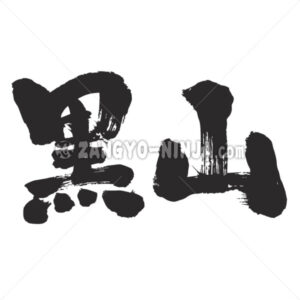
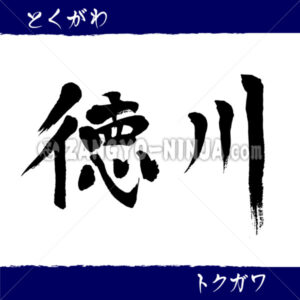
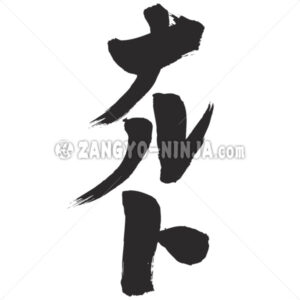
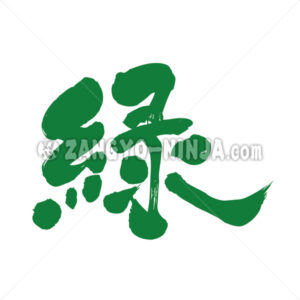
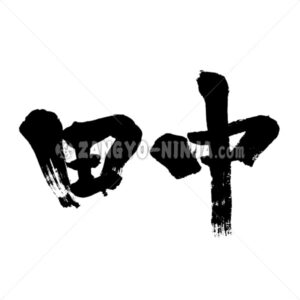
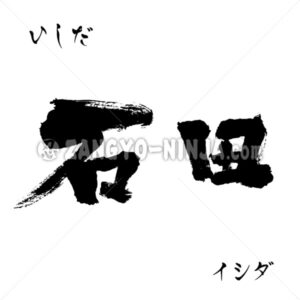
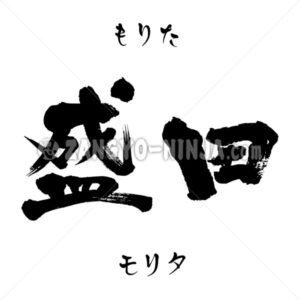
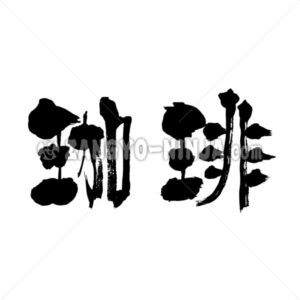
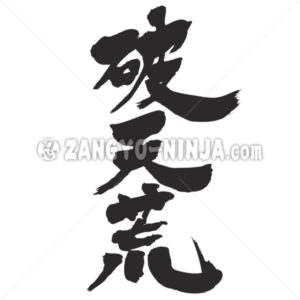
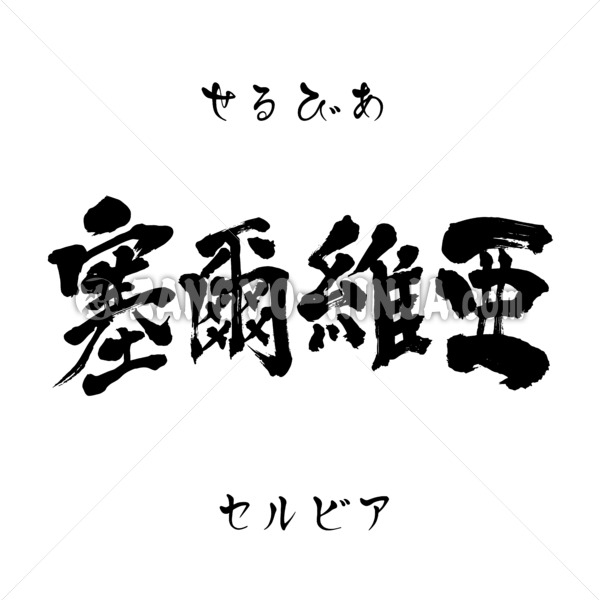
Explanation of this calligraphy
The top row is in hiragana, the middle row in kanji, and the bottom row in katakana, all written horizontally.
The kanji used are phonetic equivalents, but they are kanji listed in Japanese dictionaries.