

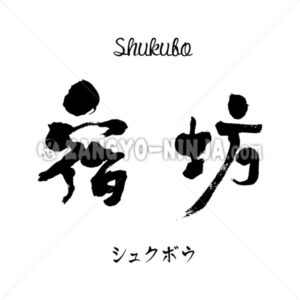
These are lodging facilities located within shrines and temples. Originally intended for monks and worshippers, they are now popular among general tourists as places where they can easily stay overnight and experience shojin ryori (vegetarian Buddhist cuisine) and traditional culture in a unique, out-of-the-ordinary setting. Many shukubo accept online reservations. Even the general public … Read More
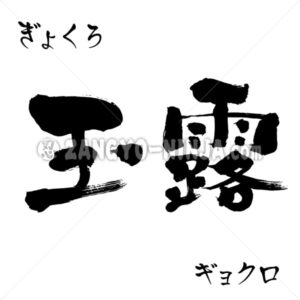
Gyokuro is the pinnacle of green tea, cultivated by shielding the new shoots from sunlight for about 20 days during the sprouting season. Gyokuro’s Components and Benefits Gyokuro is rich in amino acids (theanine), which promote relaxation, as well as caffeine, which enhances concentration, and vitamin C. While its caffeine content is slightly higher … Read More
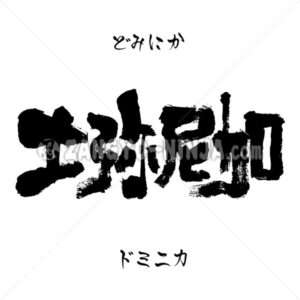
This island nation in the Caribbean—discovered by Columbus—(Hispaniola, one-third of which is Haiti) boasts a thriving tourism industry that capitalizes on its beautiful seas and abundant natural scenery. This is the kanji representation of “Dominica” in the Dominican Republic. Similarly, to the east of that island, toward the South American continent, there is a … Read More
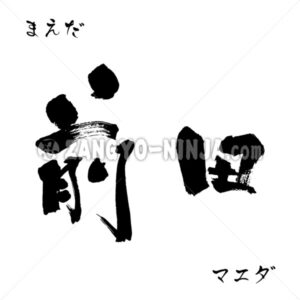
Hello, Mr. Maeda. This is an explanation of the origin of the surname Maeda, which is shared by your ancestors and friends. This surname derives from a place name that refers to the geographical location or relationship of “rice fields in front of buildings”—specifically, the rice fields in the foreground of a vast paddy … Read More
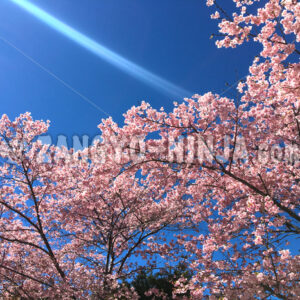
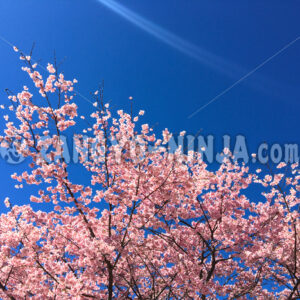
This is a beautiful photo that captures the striking contrast between the cloudless blue sky and the pink cherry blossoms. Whether it’s the trail left by a passing breeze or the tail of a dragon flying through the sky, a slightly curved streak of light has been captured, giving the image a divine quality. … Read More
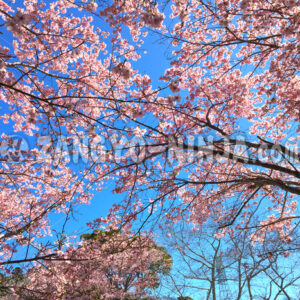
When it comes to Japan’s most iconic flower, it’s the cherry blossom. This photo beautifully captures the contrast between the cherry blossoms and the blue sky. Note that these are not Somei-Yoshino cherry blossoms, but rather Kawazu cherry blossoms, a variety that blooms earlier than Somei-Yoshino.
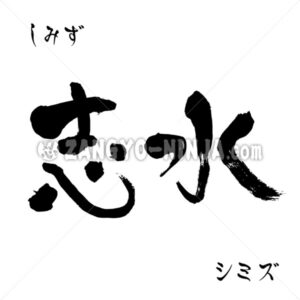
Hello, Mr. Shimizu. This is an explanation of the origin of the surname Shimizu, which is shared by your ancestors and friends. This surname originated from place names containing the characters for “clear water” (清水) or “spring water” (志水) found throughout the country. It derives from the idea of a place where clear water … Read More
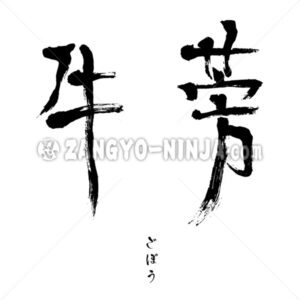
It’s not a tree root. What is burdock? A biennial plant in the Asteraceae family. Primarily consumed for its long, elongated root, it’s a uniquely Japanese vegetable rarely used outside Japan. It looks like a tree root. However, recent research has revealed several things. It is not highly nutritious, but it is rich in … Read More

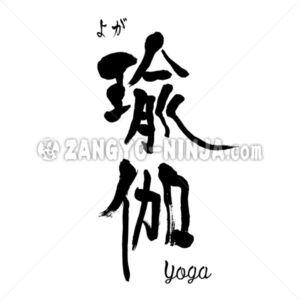
Overview of Yoga Through meditation, one calms the mind, enters a mystical realm of stillness, and aims for union with the Absolute (Brahman/Atman). This is the orthodox Brahmin ascetic practice. It involves performing special postures that impose austerities on the body. In recent years, it has also been used for health and beauty purposes. … Read More
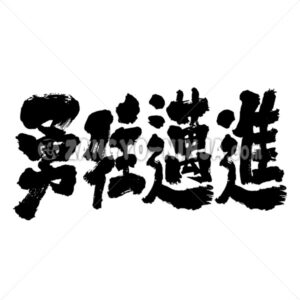
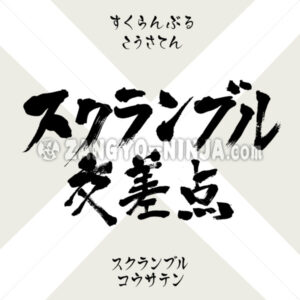
A popular photo spot for tourists in Shibuya This intersection is located immediately outside the JR Shibuya Station northwest exit (Hachiko Exit). Known as the world’s busiest intersection, its sight has become a Tokyo landmark. From the connecting bridge linking the JR Yamanote Line and Keio Inokashira Line, you can see people crossing the … Read More
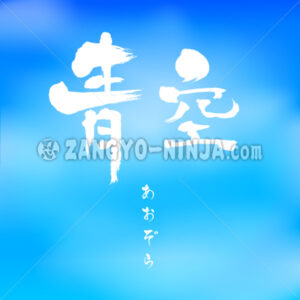
Meaning of “Aozora” A clear blue sky. A cloudless blue sky. A sky that appears blue and clear. When attached to other words, it indicates “outdoors,” “outside,” or “open-air.” Description of This Calligraphy The kanji in the upper section is written horizontally, while the hiragana in the lower section is written vertically. The background, … Read More
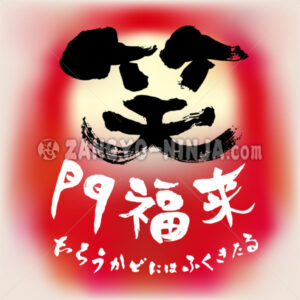
Happiness naturally comes to homes filled with laughter. This phrase originates from the proverb “Wa ra u ka do ni ha fu ku ki ta ru” (laughter brings good fortune), meaning that happiness naturally comes to households where smiles never cease. The hiragana text below this work corresponds to that proverb. Regarding the kanji … Read More
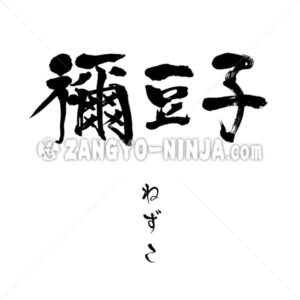
One of the names for Japanese women In Japan, names ending with characters like “子 (ko), 美 (mi), or 恵 (e)” are almost always female, though there are exceptions. Until the Showa era, names ending with “子” were common for women, but from the end of Showa through Heisei, such names became less frequent. … Read More
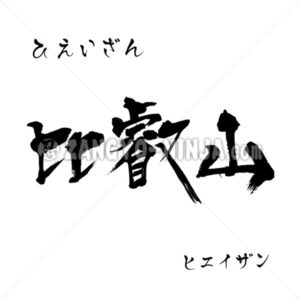
Mount Hiei, also known by the famous name “Fuji of the Capital,” as well as Eizan, Hokurei, and Tendai-san, is a mountain straddling western Ōtsu City in Shiga Prefecture and northeastern Kyoto City in Kyoto Prefecture. A mountain revered by ancient people Located on the border between Kyoto and Shiga Prefectures, it offers a … Read More
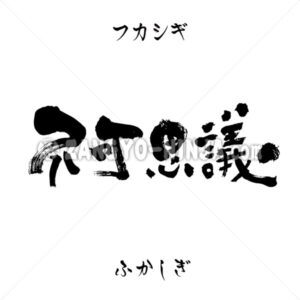
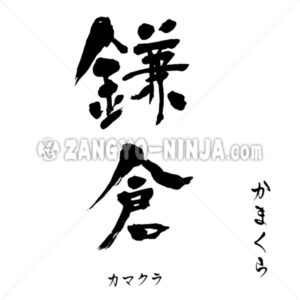
The most representative example is Kamakura in Kanagawa Prefecture. Kamakura is the location in Kamakura City, Kanagawa Prefecture, where Minamoto no Yoritomo established the Kamakura Shogunate, the center of Japan’s first samurai government. The number of tourists visiting Kamakura exceeds approximately 20 million annually. It is a temple and shrine tourist destination on par … Read More
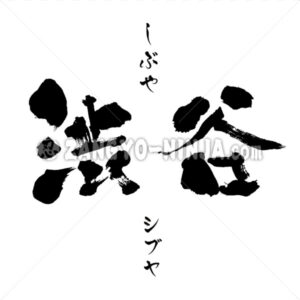
Shibuya exists both as a place name and as a surname. Shibuya as a place name (Tokyo) A ward located in the southwest of Tokyo’s 23 wards. In 1932 (Showa 7), the three towns of Shibuya, Sendagaya, and Yoyohata in Toyotama District merged to form Shibuya Ward. Regarding the station itself, in March 2013, … Read More