A country located in central to eastern Europe.
It is bordered by five countries: Poland to the north, Ukraine to the east, Hungary to the south, and others.
During its transition to a non-socialist new system, it peacefully separated from Czechoslovakia in 1993 to become a new nation.
Traditionally an agricultural country, in recent years, particularly in the western regions, foreign-invested companies have led to the automotive and electronics industries becoming key sectors.
It joined NATO and the EU in 2004 and adopted the euro in 2009.
Traditionally an agricultural country, in recent years, particularly in the western regions, foreign-invested companies have led to the automotive and electronics industries becoming key sectors.
It joined NATO and the EU in 2004 and adopted the euro in 2009.
Slovakia’s main industries are agriculture, forestry, mining, manufacturing, and tourism. Ski resorts have recently gained popularity.
Slovakia boasts six valuable cultural heritage sites and two natural heritage sites inscribed on the UNESCO World Heritage List. These sites are characterized by embodying the rich history and culture of Central Europe.
From beautiful medieval towns to unique wooden architecture and industrial heritage, Slovakia’s World Heritage sites are remarkably diverse. Heritage spanning various eras, from ancient Roman times to the modern day, remains preserved.
From beautiful medieval towns to unique wooden architecture and industrial heritage, Slovakia’s World Heritage sites are remarkably diverse. Heritage spanning various eras, from ancient Roman times to the modern day, remains preserved.
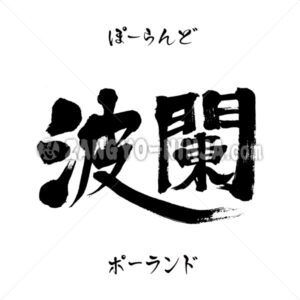
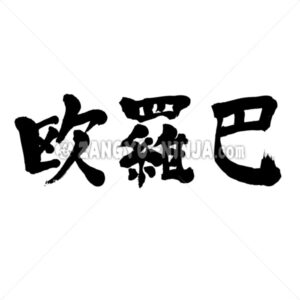
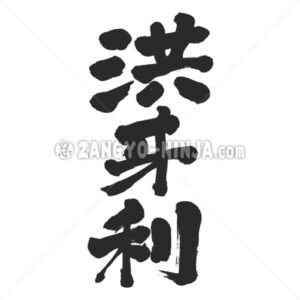
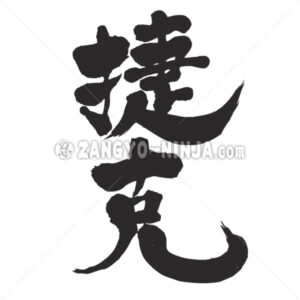
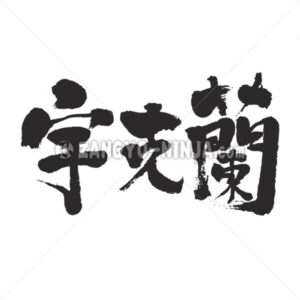
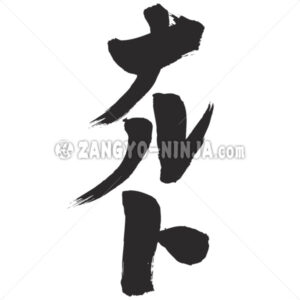
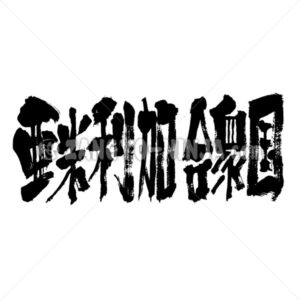
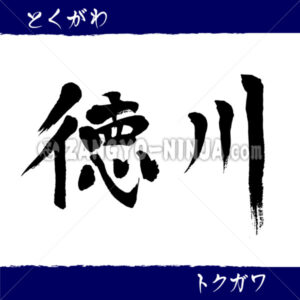
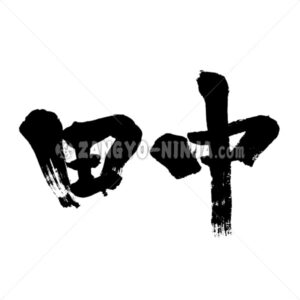
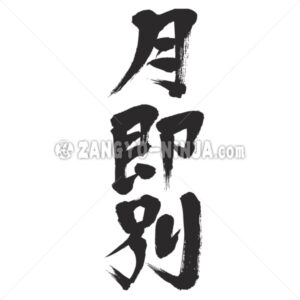
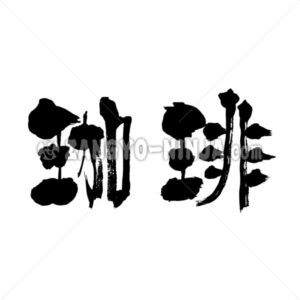
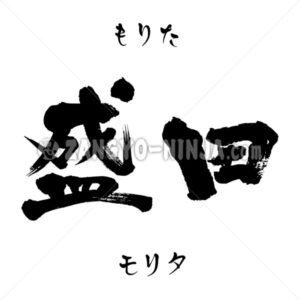
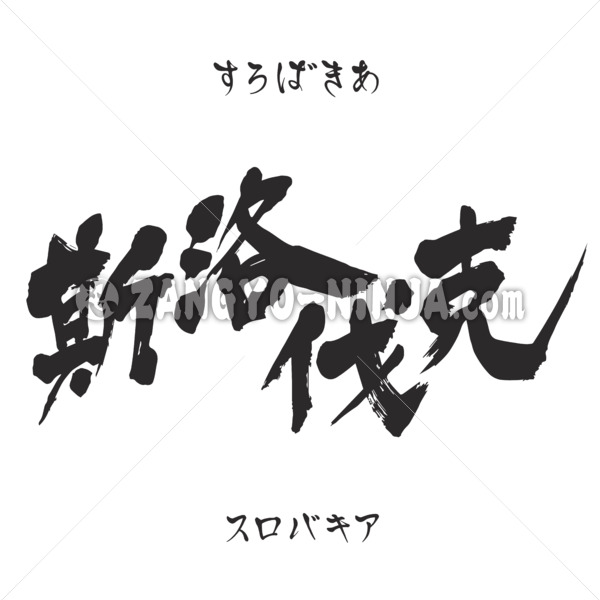
Explanation of this calligraphy
The top row is in hiragana, the middle row in kanji, and the bottom row in katakana, all written horizontally.