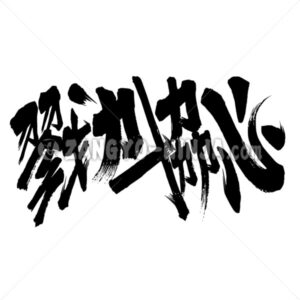

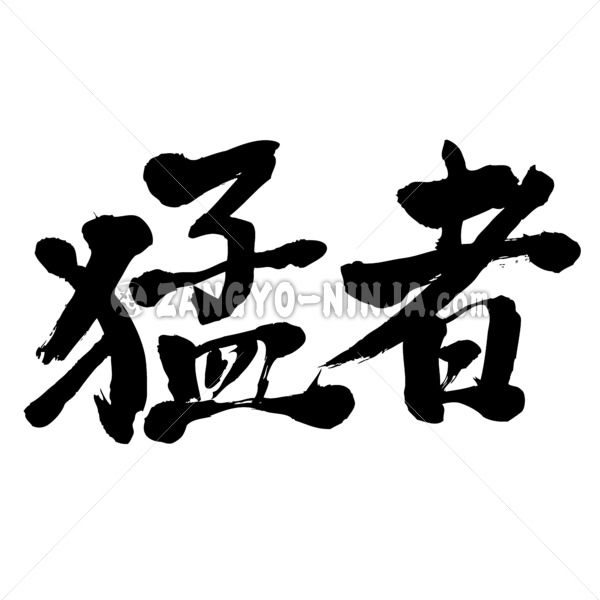
The kanji character “猛者” can be roughly translated as “tough guy”.
‘猛者’ is read as “mosa”.
“mosa” refers to a person of exceptional strength and ability. It denotes not only physical strength but also experience, skill, and mental fortitude. In the Warring States period, it referred to brave samurai and soldiers who distinguished themselves on the battlefield, and in modern times, it is used to describe “strong individuals” and “people of ability” in sports, games, and the workplace.
Etymology and historical background
The character “猛” in “mosa” means “fierce” or “wild,” while ‘者’ means “person.” Originally, the term was used to describe samurai and soldiers from the Warring States period who were particularly brave and strong. The Warring States period was a time of intense warfare in Japanese history, and “mosa” was an honorific term used to praise warriors who fought with their lives on the line. After the Edo period, the term expanded beyond samurai and began to be used in sports and business to denote “powerful individuals” or “influential figures.”
The multifaceted meaning of “mosa”
A “mosa” is not merely physically strong, but also possesses experience, wisdom, and mental strength. For example, the calmness and judgment required to survive on the battlefield are also included in the criteria for a “mosa”. Therefore, ‘mosa’ is not simply a term for a “strong person,” but rather a term used with respect to describe a “strong person with wisdom and experience.”
The image and psychological aspects of “mosa”
Positive image
Mosa are viewed favorably as “reliable,” “powerful,” and “respectable” individuals. They are recognized as important members of organizations and teams. This image stems from the idea of a person who can respond calmly in difficult situations and make decisions based on experience.
Negative image
Due to their overwhelming impression and intimidating presence, they may be perceived as “intimidating,” “unapproachable,” or “forceful.” Especially among newcomers or those with little experience, “mosa” may be seen as a frightening presence.
The relationship between “mosa” and Japanese culture
In Japanese culture, humility is considered a virtue, so the strength and assertiveness of “mosa” are sometimes avoided. However, there is also a sense of respect and admiration, and a certain level of respect from others is maintained.