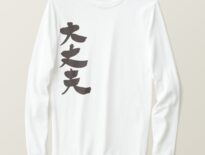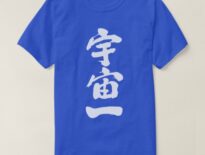

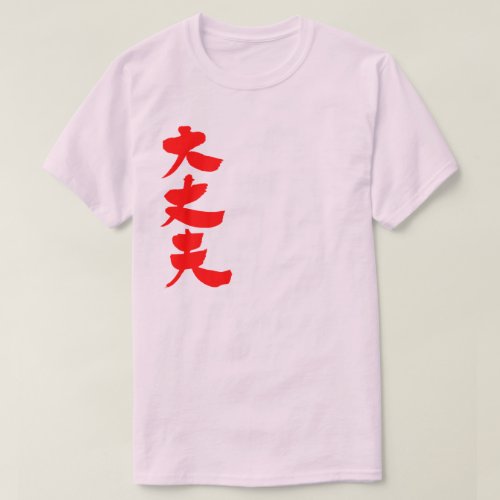
Originally, it is used for various purposes.
1. It’s strong and solid.
2. There is no mistake and it is a certain situation.
3. When confirming the meaning of necessity / unnecessary.
4. If there is no problem.
5. If you decline gently.
It is well established as a convenient word for Japanese people who are not good at saying NO.
Japanese says Dai-jo-bu.
1. It’s strong and solid.
2. There is no mistake and it is a certain situation.
3. When confirming the meaning of necessity / unnecessary.
4. If there is no problem.
5. If you decline gently.
It is well established as a convenient word for Japanese people who are not good at saying NO.
Japanese says Dai-jo-bu.
About this T-shirt
A shirt without a collar. It is called a T-shirt because it looks like a "T" when the arms are spread out. As most people know, it is a standard clothing that there is no one in the world who has never worn it. You can choose men's or women's, long-sleeve T-shirts and hoodies, and you can choose the size and color as much as you want.
・Unisex, Men’s, Woman’s or Kids T-shirts
・variety sizes
・rich color varieties
・100% cotton (Blends poly by manufacturer)
・Double-needle hemmed sleeves and bottom
・Machine wash cold
・Unisex, Men’s, Woman’s or Kids T-shirts
・variety sizes
・rich color varieties
・100% cotton (Blends poly by manufacturer)
・Double-needle hemmed sleeves and bottom
・Machine wash cold
Related Designed items
![[Kanji] Japanese katydid T-Shirt](https://www.zangyo-ninja.com/wp-content/uploads/kanji_japanese_katydid_t_shirt_uz81u_1024-150x150.jpg)

![[Kanji] Zen T-Shirts](https://www.zangyo-ninja.com/wp-content/uploads/kanji_zen_t_shirt-white_jy9v0_1024-150x150.jpg)
Related Works (Trial jpg is FREE!)

KOKORO Gratitude - Thank you in 44 languages as heart shapes
variable Covers approximately 5,000,000,000 people This is a heart-shaped typographic representation of the word “thank you”…
KOKORO Gratitude - Thank You & heart in polyglot as ♡shapes
variable This work contains one heart per language. In 44 languages, the word thank you is…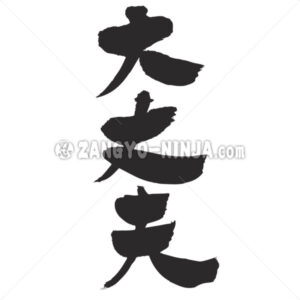
All right in Kanji
variable Originally, it is used for various purposes. 1. It's strong and solid. 2. There is…
KOKORO Gratitude - Thank you & hearts in polyglot as ♡shapes
variable This style comes from the Manga culture If you look closely, you can see the…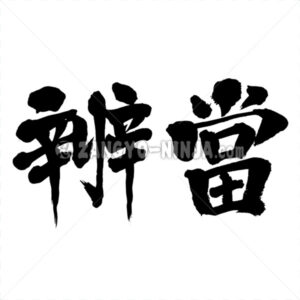
Bento in Kanji as old character form
variable Generally, it is a portable meal consisting of rice and side dishes in a container…
Thank you in Hiragana and 4 langs as love shaped
variable Thank you is expressed in English, Spanish, French, Indian Hindi and Japanese Hiragana as a…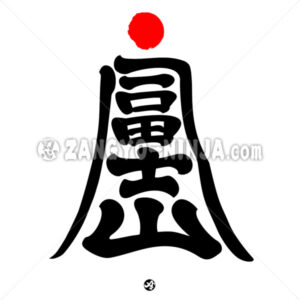
Mount Fuji
variable Mt.Fuji is the highest mountain in Japan. The highest point on Mt. Fuji is Kengamine,…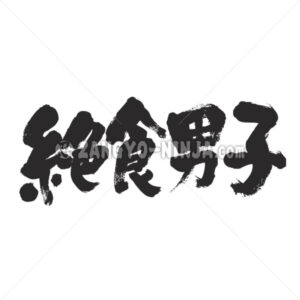
Starvation boy as coined word in Kanji
variable Description for Starvation boy as recent words in Japan A man who is not interested…