
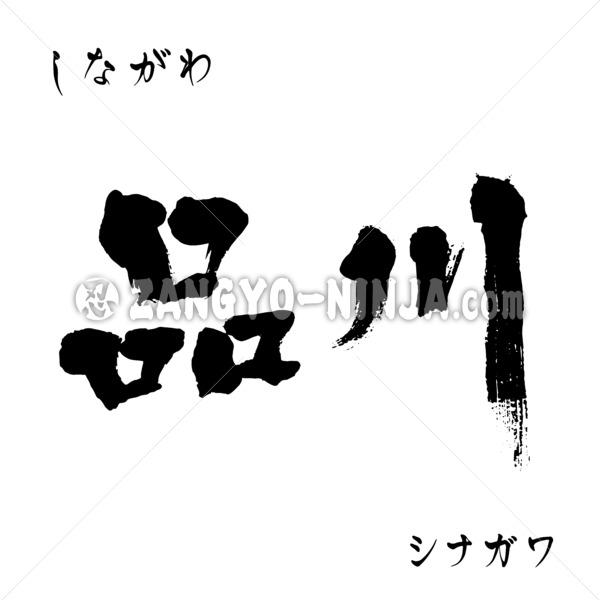
Abbreviation for Shinagawa Station (Shinagawa-eki)
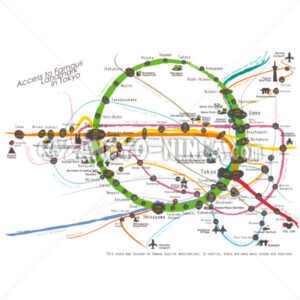
This major terminal station serves as the southern gateway to Tokyo. It is served by the Shinkansen, JR conventional lines, and the Keikyu Line, and offers excellent access to Haneda Airport.
Actually, it’s not in Shinagawa Ward: Although it is Shinagawa’s flagship station, it is located not in Shinagawa Ward but in the neighboring “Minato Ward, Tokyo.” Redevelopment Area: The area surrounding the station is a massive office district lined with high-rise buildings, and in recent years, development has been progressing to further establish it as an international business hub.
Abbreviation for Shinagawa Ward (Shinagawa-ku)
One of Tokyo’s 23 special wards, it is the area stretching from the south to the west of Shinagawa Station. A blend of traditional working-class neighborhoods and modern districts: It features a mix of modern waterfront areas like Tennozu Isle, upscale residential neighborhoods such as Senzoku, and lively traditional working-class districts like the Togoshi Ginza Shopping Street and Musashi-Koyama Shopping Street.
Abbreviation for Shinagawa-shuku
This was the first post town on the “53 Stations of the Tōkaidō” route established during the Edo period (the first post town after leaving Nihonbashi). It corresponds to the Kita-Shinagawa and Minami-Shinagawa areas of present-day Shinagawa Ward. Many temples, shrines, and traditional streetscapes still remain, making it a popular spot for strolling and experiencing history.
Japanese Surnames
There are approximately 16,700 people in Japan with this surname.
“Shinagawa” is a surname unique to Japan, with roots in Shinagawa-go, Ebara District, Musashi Province (the area around present-day Shinagawa Ward, Tokyo). It is primarily found in Tokyo and the Kanto region and is believed to originate from a historic samurai clan.