
Home » Blessing & Happiness » Shochikubai in Kanji (include pine tree, bamboo and plum flower in Kanji)

☆彡☆★☆Christmas Sale 50% OFF!★☆★Use coupon code“6pqpuw7j”. ★Excludes ‘ITEM’ on this site. ★Valid until December 25th. ★Enter“6pqpuw7j” at checkout.☆★☆SAVE 50%★☆★☆彡

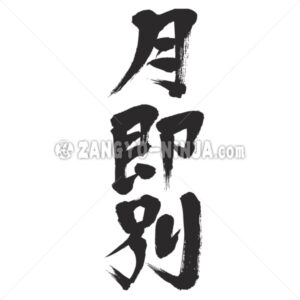
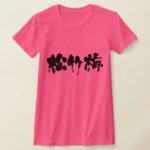
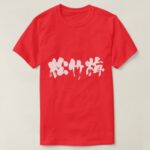
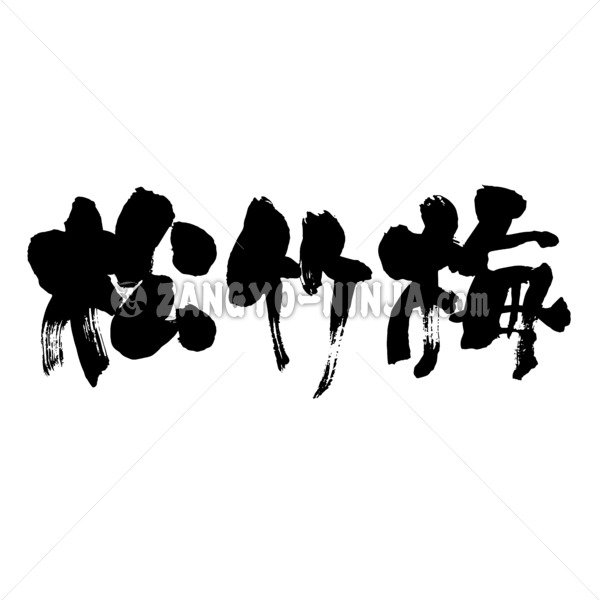
Shochikubai in Kanji (include pine tree, bamboo and plum flower in Kanji)

created by designer

$0.00$1,490.00

600x600
$0.00
1920x1920
$4.80
6000x6000
$9.80
Full
$19.80
Full
$980.00
Full
$1,490.00

charms and is said to be auspicious along with the crane turtle. Since all three can withstand the cold, they are called Three Friends of Winter and are used for ceremonies as congratulations. A word used in place of each grade when goods and seats are divided into three grades.

Pine, bamboo, and plum are (Shochikubai is) symbols of auspiciousness in Japan.

Pine trees have been a symbol of auspiciousness since the Heian period, as they are evergreen and lead to perpetual youth and longevity. Bamboo has been used for the same reason as pine trees since the Muromachi period, and plum blossoms have been known to bloom in winter since the Edo period.

Shochikubai came to indicate the grade of things.

Originally, “Shochikubai” was not used to indicate the rank of items, but it is easier to order “Ume (Plum)” than “normal”, and it is more beautiful to replace it with the name of the plant, so “Shochikubai” came to be used as a grade at sushi restaurants.
There is no particular order of rank, and although pine, bamboo, and plum originally had no hierarchical relationship, it came to be that pine was the highest rank, bamboo was the highest rank, and plum was the average rank.
This order is said to be the chronological order that became a symbol of auspiciousness, but since the three types of pine, bamboo, and plum are called “Shochikubai”, it would be safer to think of it as that order.
Technical Details AI Vector, 126.42 KB
, , , , , , ,

People also views for about Shochikubai


a view with Bonsai in Hiragana and full moon

This is a vector file, but the work is drawn in an [...]
vector
FREE~ View detail
Mount Fuji - Zangyo-Ninja

Mount Fuji

Mt.Fuji is the highest mountain in Japan. The highe [...]
vector
FREE~ View detail
Zen in kanji which is old character - Zangyo-Ninja

Zen in kanji which is old character

Description for Zen a Buddhist doctrine that enligh [...]
EPS vector
FREE~ View detail
Win, sure of victory in Kanji - Zangyo-Ninja

Win, sure of victory in Kanji

This is a term that has become commonplace from the [...]
vector
FREE~ View detail

Coffee in Kanji

It is one of the most popular beverages in the worl [...]
vector
FREE~ View detail

Ichiban, first in Kanji

Description for Ichiban The beginning of the order [...]
vector
FREE~ View detail

Works recommended by creator Aokage

Naruto wrote by vertical in Katakana - Zangyo-Ninja

Naruto wrote by vertical in Katakana

Description for Naruto Meaning of this character Th [...]
vector
FREE~ View detail
Ishida as surname in Kanji, Katakana and Hiragana - Zangyo-Ninja

Ishida as surname in Kanji, Katakana and Hiragana

One of the Japanese surnames. This surname is relat [...]
vector
FREE~ View detail
eccentric, unprecedented in Kanji - Zangyo-Ninja

eccentric, unprecedented in Kanji

Doing things that no one has ever done. Breaking th [...]
vector
FREE~ View detail
Mizuki in surname Kanji - Zangyo-Ninja

Mizuki in surname Kanji

This is 2,857th surname in Japan It is said that th [...]
vector
FREE~ View detail
Tanaka in Kanji - Zangyo-Ninja

Tanaka in Kanji

Tanaka is the 4th most common Japanese surname in J [...]
vector
FREE~ View detail
AOKAGE
998

Aokage

He won several gold and silver awards in Japanese-calligraphy (Shodo). He loves Sushi and Sashimi. Having practiced calligraphy since childhood, his father was qualified as a teacher. Aokage(青景) comes from the blue landscape like the sea, the clear blue sky. And the blue shadow. Shadow means a ninja.

People as smart as you are also looking at