

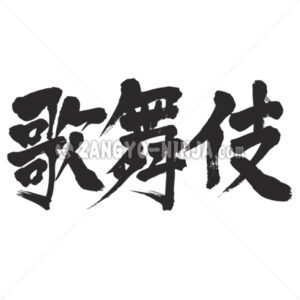
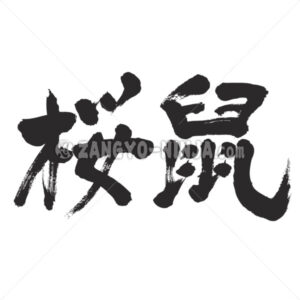
a name of color. Sakura Nezumi is a light cherry blossom which slightly dusters slightly dull pale crimson gray or thin black. The so-called Sakura (Sumizome) cherry. The color that the mouse adheres to the color name can be seen from around the early Edo period, but it seems that Sakura-Nezumi began to be … Read More
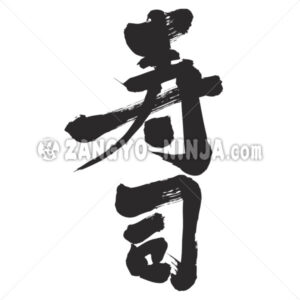
Description for Sushi foods Anything made with vinegared rice that also contain vegetables, spices, fish, or other delicacies.There are different kinds of “Sushi” and depending ON the locality. The most common is “Nigiri zushi” and originally produced in the Tokyo districet. Nigirizushi consists of small oval-shaped balls of rice seasoned with vinegar and sugar … Read More
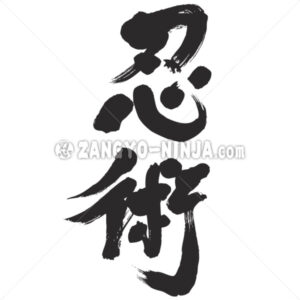
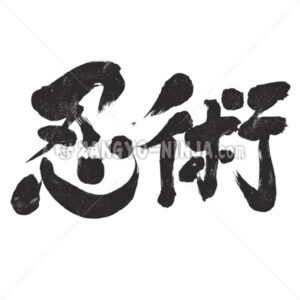
Special techniques used in military strategy during the samurai era. These techniques were used for purposes such as espionage, information gathering, plotting, and assassination, and involved disguises, invisibility, and trickery to take advantage of people’s weaknesses and act boldly and swiftly. The origins of these techniques can be found in China’s Sun Tzu’s Art … Read More
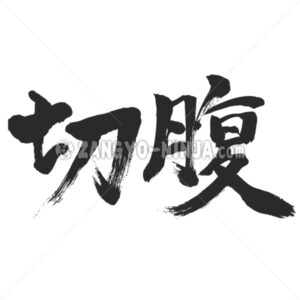
Ritual suicide by self-disembowelment on a sword. A form of ritual suicide by disembowelment using a blade, practiced by Japanese samurai, especially to rid oneself of shame, as a means of protest or, formerly, as a method of capital punishment. Japanese says Seppuku.
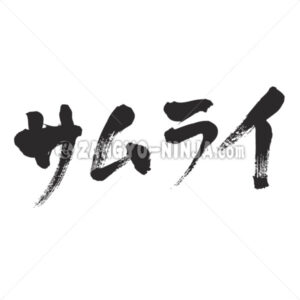
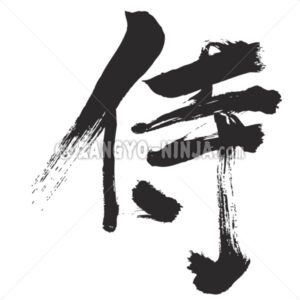
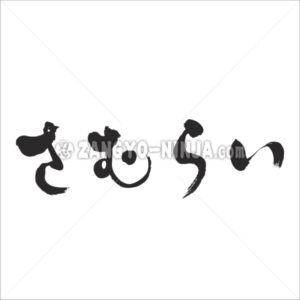

A horticultural technique peculiar to Japan in which trees are planted in small pots and cultivated so as not to damage the appearance of nature. It is important to express the atmosphere of nature, and it is an art of horticulture. Almost all kinds of zelkova, maple, plum, etc. can be bonsai, and even … Read More
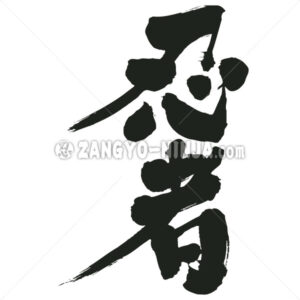
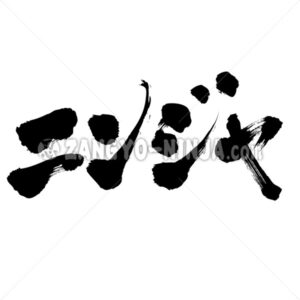
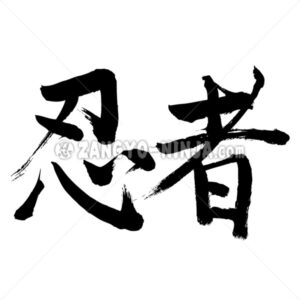
This is calligraphy written in katakana for Ninja From the Muromachi period to the Edo period, ninjas were skilled individuals who were employed by daimyo and feudal lords to carry out espionage, sabotage, and assassinations. Ninjas appearing in historical dramas, manga, and anime are depicted as wearing black clothing and operating under the cover … Read More
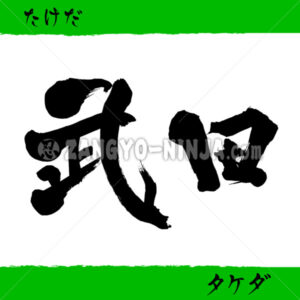
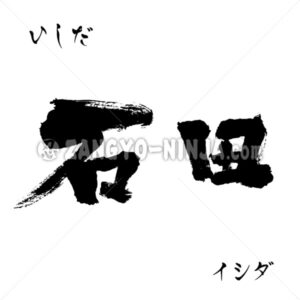
Hello, Mr. Ishida. This is an explanation of the origin of the surname Ishida, which is shared by your ancestors and friends. This surname is relatively common, with 260,000 people bearing it nationwide. Meaning of each character in this surname: “石” (pronounced ishi) → stone “田” (pronounced ta, da) → rice field As basic … Read More