

Description for Amber
Fossilized resin from pine trees. Amorphous, resinous luster, transparent to translucent, yellow or reddish-brown. Specific gravity 1.04–1.10, hardness 2–3. Softens at approximately 150°C and melts at 250–300°C. Becomes electrically charged when rubbed, attracting fine dust. Used as an ornamental stone since ancient times. Pieces with high transparency, especially those containing fossilized insects, are highly prized.
Pieces used for crafts like pipes are often made by fusing amber fragments under pressure near its softening point. Main producing regions include the Baltic coastal areas, Sicily, and Romania.
Pieces used for crafts like pipes are often made by fusing amber fragments under pressure near its softening point. Main producing regions include the Baltic coastal areas, Sicily, and Romania.
Amber has long been believed to be a gemstone that brings vitality, happiness, longevity, and prosperity.
Just as tree leaves use light to break down water and produce oxygen, amber, formed from the sap of those trees, is said to have the power to expel negative energy and absorb positive energy.
Just as tree leaves use light to break down water and produce oxygen, amber, formed from the sap of those trees, is said to have the power to expel negative energy and absorb positive energy.
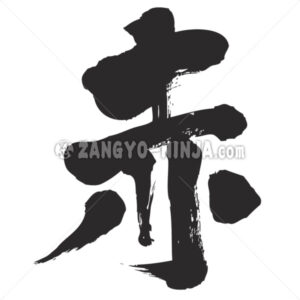
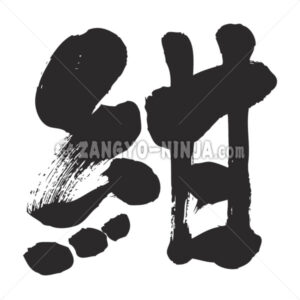
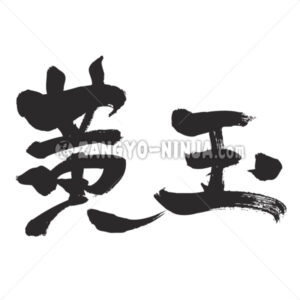
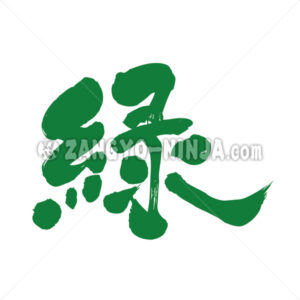
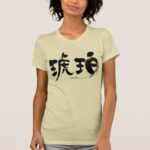
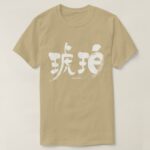
This calligraphy explanation
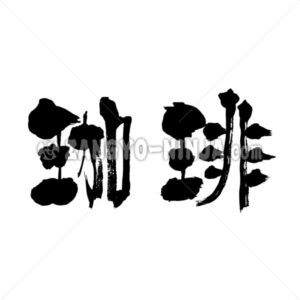
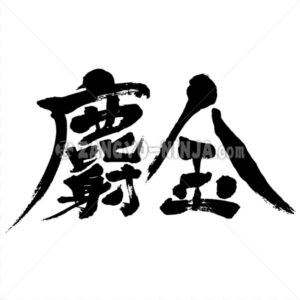
In Japanese, it is called “Kohaku”.
In Chinese, it is written as “虎魄” (hǔ pò), originating from the legend that it is the petrified soul of a dead tiger. On the other hand, the English name ‘Amber’ is said to derive from the Arabic word “ambār,” meaning “that which drifts in the sea,” named for the characteristic of amber being washed ashore.