


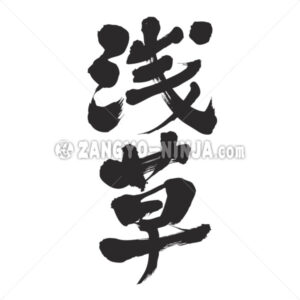
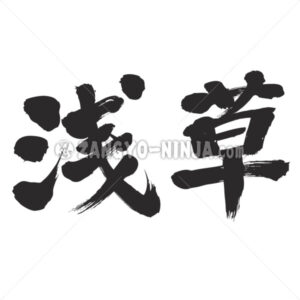
Description for Asakusa town Asakusa is a town centered around Senso-ji Temple, home to the Kaminarimon (Thunder Gate), and attracts many tourists from Japan and abroad. Located in central Tokyo, the area is popular for its convenient accessibility and traditional retro atmosphere. Characteristics of Asakusa It is popular as a place where history, tradition, … Read More


Description for Akihabara town Akihabara is an area name that refers to the area around JR Akihabara Station in Chiyoda-ku, Tokyo. It is known as one of the largest electric towns in Japan. History and etymology of Akihabara (Akiba) During the Edo period, it was the area where lower samurai lived. As it was … Read More



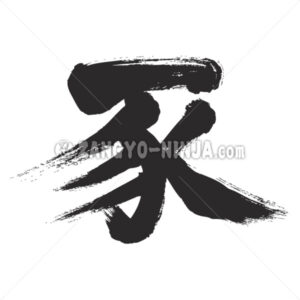
It is a domesticated wild boar and is thought to have already been domesticated in Mesopotamia around 4000 BC. There are more than 300 major breeds of pigs such as Yorkshire, Berkshire and Landrace. Larger varieties weigh nearly 400 kg. This kanji is not a common kanji. Japan calls Buta.