


Turkey is located at the crossroads of Asia and Europe.
Turkey borders Georgia, Armenia, Azerbaijan, and Iran to the east, Iraq and Syria to the south, and Greece and Bulgaria to the west.
Turkey is a major tourist destination.
As of 2022, 19 historical sites in Turkey are registered as UNESCO World Heritage Sites. All of them are of high historical and cultural value and attract many tourists from around the world.
Even those who know little about Turkey are likely to have heard of Istanbul and Cappadocia. Turkey, with its exotic atmosphere, is a popular tourist destination with many World Heritage Sites that attract visitors from around the world.
Turkey is a major tourist destination, with the tourism industry accounting for about 90% of total service revenue, and the country is actively promoting tourism.
Surprising Origins
Turkey has a very long history and is a crossroads of various cultures, so there are many things that, when traced back to their origins, actually originated in Turkey.
These include wine, yogurt, tulips, cherries, meatballs, doctor fish, Santa Claus, Turkish Angora, parchment, and café culture (also registered as an intangible cultural heritage).
Turkish cuisine
Turkish cuisine is one of the three great cuisines of the world.
This is because during the Ottoman Empire, ingredients and spices were imported from all over the world, leading to the development of court cuisine.
The staple food is bread, and Turkey has the highest consumption of bread in the world.
Although various spices are used in cooking, the dishes are not overly spicy and have a well-balanced flavor.
In addition to numerous meat dishes such as kebab and köfte (hamburger), Turkey, being a country surrounded by the sea, also has a rich variety of fish dishes using sardines, mackerel, and mussels.
There are also many vegetable dishes using tomatoes and eggplants, and tomato paste is frequently used in stewed dishes.
There is a rich variety of dishes ranging from meat to fish and vegetables.
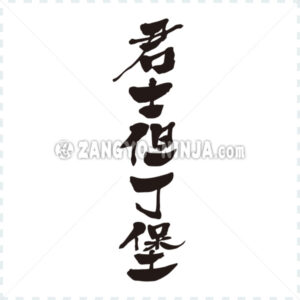
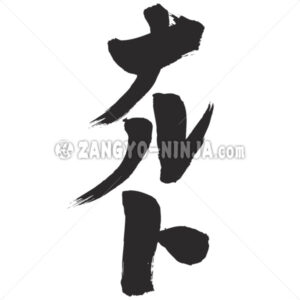
Explanation of the calligraphy
The large pop-style calligraphy at the top is in kanji, while the bottom is in hiragana.
The kanji seems to be used solely for its sound and has no particular meaning.
In Japanese, it is pronounced “to ru ko.”