
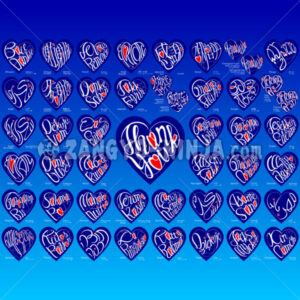
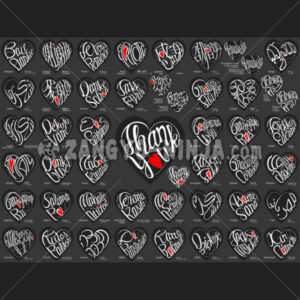
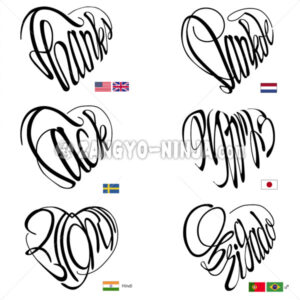
This work contains one heart per language. In 44 languages, the word thank you is formal or polite, or more emphatic than a general thank you, making it a word choice that can be used with family, friends, and others who are not close to you. Kokoro is Japanese for “心”, a word that … Read More

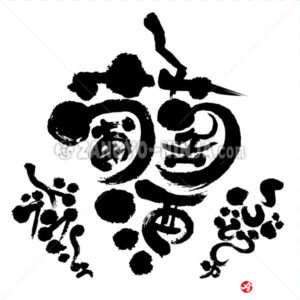
Wine is made from grapes. The shape of the grape is expressed through calligraphy. All of them read “Budoshu” and refer to grape wine, or wine in Japan. In this typographic work, the left side is written in Katakana, the center in kanji, and the right side in Hiragana, with wine written with a … Read More
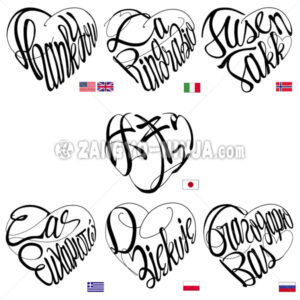
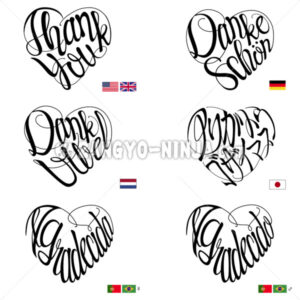
This is a typographic work that expresses the feeling of “Thank you” in the form of English, German, Dutch, Portuguese and Japanese Katakana. The theme is “Heart of Gratitude”. Changes from the previous work The lines of “Thank You” in English are longer and more frequent to emphasize the heart shape. All other languages … Read More
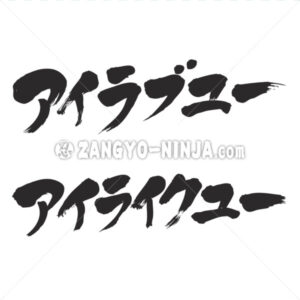
This Katakana is a Katakanaized version of the English pronunciation. Of the two lines, the upper is “I love you” and the lower is “I like you”. It is not in exact English The word “like” in “i like you,” which is the second line, is not usually used for people, but Japanese people … Read More
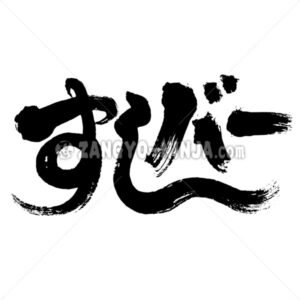
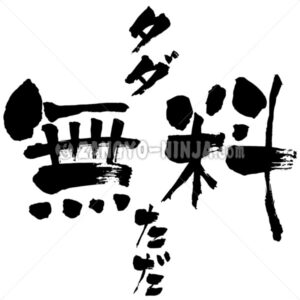
There is no price for goods or services. It’s Free written vertical in Japanese Katakana. Free written horizon in Japanese Kanji. Free written vertical in Japanese Hiragana. Hiragana and katakana are colloquial translations of Kanji, so the meaning may not be understood depending on what is written. Japanese called “tada” in Japanese katakana and … Read More
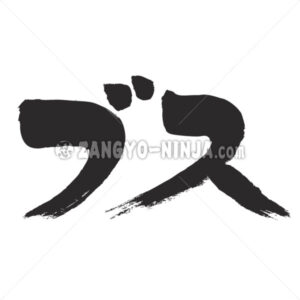
A derogatory Japanese slang term that refers to inferior appearance and impression. Ugly woman’s face. Also that woman. The word to curse a woman. Japanese said “Busu” in Katakana. There is a theory about the etymology, but it is said to be an “Shujo” “Shikome”. Also, the root of aconite is called “bushi”, which … Read More
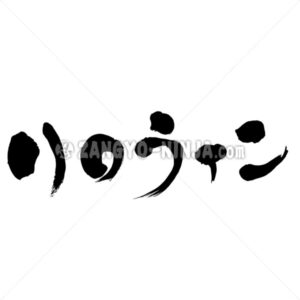
A festival originated in Europe, held on October 31 every year. Originally a religious event that celebrates the autumn harvest and drives out evil spirits, it takes place on the night before the All-hallow, the day of the Catholic Saints, on November 1. Shortened “All-hallow-even” and called Halloween. In recent years there is Halloween … Read More
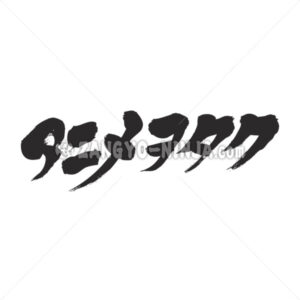
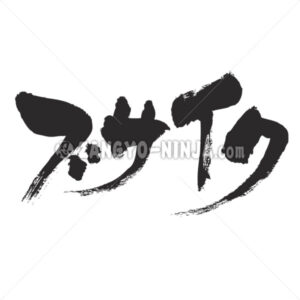
It is a kind of otaku and refers to otaku who likes anime. A Otaku is a person who likes specific fields and things and actively collects related items or information. It is normal notation to use “オ” for the 4th letter, but in net slang and otaku friends, “ヲ” is written. They are … Read More
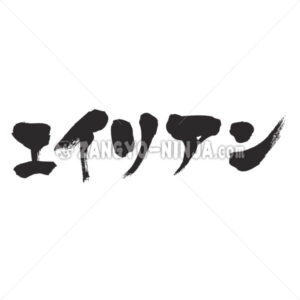
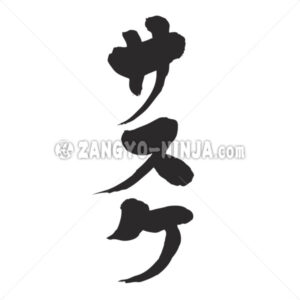
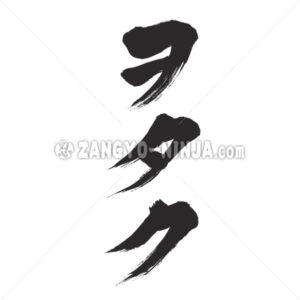
A designation for people who are too inclined to their favorite things or areas of interest. It is a person who is enthusiastic about a certain thing much more than ordinary people. It’s in Japanese Katakana vertically. It is normal notation to use “オ” for the first letter, but in net slang and otaku … Read More
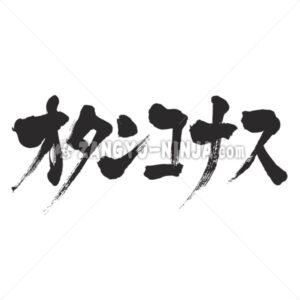
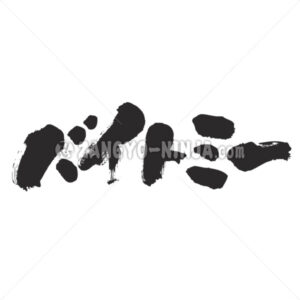

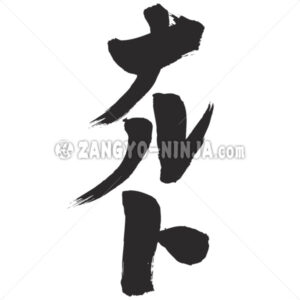
This is an explanation of Naruto in Japan. It’s not just about the manga or anime. Meaning of this character The strait where tidal currents swirl and roar during high and low tides. An abbreviation for Naruto rolls, once used as a ramen topping. Rarely seen in ramen shops today. Place name A city … Read More