

A derogatory Japanese slang term that refers to inferior appearance and impression. Ugly woman’s face. Also that woman. The word to curse a woman. Japanese said “Busu” in Katakana. There is a theory about the etymology, but it is said to be an “Shujo” “Shikome”. Also, the root of aconite is called “bushi”, which … Read More
Description for Japanese as nation language A language spoken by 120 million inhabitants of the Japanese archipelago. It is used almost as a single language in Japan. The Japanese vocabulary is divided into three types: Japanese, Chinese, and loanwords. The notation is very complicated, and sometimes Chinese characters, hiragana, katakana, etc. are mixed. The … Read More
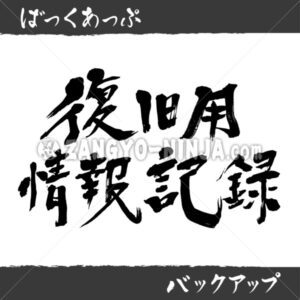
IT terms have been converted into kanji. The act of saving copies of computer data and programs on another hard disk or other storage device in preparation for unforeseen circumstances such as damage, theft, or loss. It can also refer to the copied data or programs themselves. There is no kanji representation for “backup” … Read More
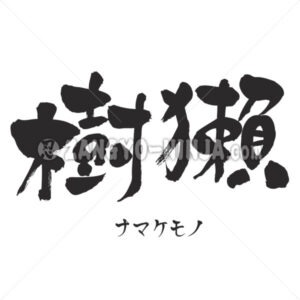
Description for Sloth Mammalia Edentata A general term for animals belonging to the sloth family. There are 5 species in 2 genera of this family, Bradypodidae, which live mainly on trees in the dense forest areas of South America and feed on leaves and flowers. Body length 50-64 cm, no tail, or even short. … Read More
An island country in the Indian Ocean 392 kilometers east of the southeastern part of the African Continent across the Mozambique Channel. République de Madagascar, officially known as the Republic of Madagascar. It consists of Madagascar, the fourth largest island in the world, and a small coastal island. Madagascar Nature Madagascar Island has the … Read More
Explanation of Chalcedony A mineral made of extremely fine granular or fibrous quartz. It may also contain a mineral called moganite, which is polymorphic to quartz. There are various colors such as colorless, red, orange (daidai), green, yellow, and black, and there are various variant names. Some are used as decorative stones such as … Read More
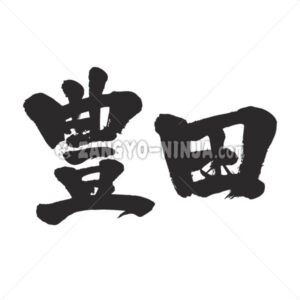
Toyoda, Toyota means a field where you can get a good harvest, which gives you abundant fruit. A place name in central Aichi prefecture. The location of the Toyota Motor Corporation Head Office. The old town area in the northeastern part of Shimonoseki City, western Yamaguchi Prefecture. The old town area in the midwestern … Read More
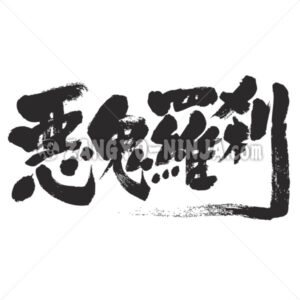
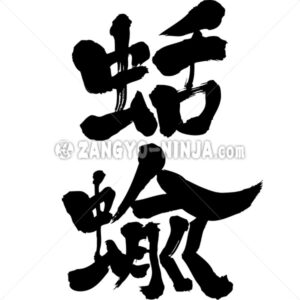
Like snails, terrestrial shellfish. It has lungs and is capable of air breathing. Shellfish are degenerated but definite shellfish. Eating habits vary considerably, from those that eat plant-based foods to those that attack other slugs and earthworms, and those that catch carcasses of animals. Japanese says “Na me ku ji”.
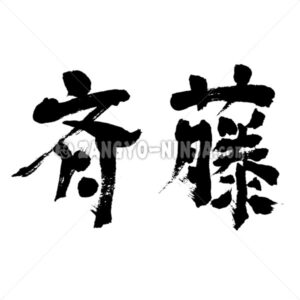
Saito is the 19th most common Japanese surname. Since Mr. Fujiwara’s family, Mochinobu, was the secretary of the “Saigu-ryo” of the government office near Ise Jingu, “Saigu-ryo” It is said that it started with calling himself “Saito” by saying “Mr. Fujiwara”. Etymology of the Saito surname Occupation. Variant of Saito. The character meaning of … Read More
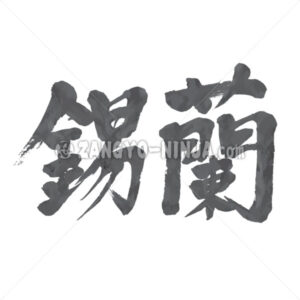
A country consisting of Ceylon Island in the Indian Ocean southeast of the Indian Peninsula. The official name is Sri Lanka Prajatantrika Samajavadi Janarajaya. Ceylon Island is in the shape of an elongated pear from north to south, with mountains slightly south of the center and lowers toward the periphery, from the foot of … Read More
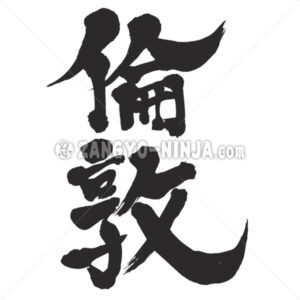
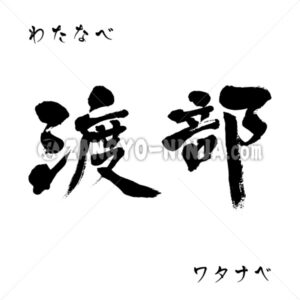
Origin of Watanabe The clan traces its ancestry to Watanabe no Tsunemori (Minamoto no Tsunemori), the foremost of the Four Heavenly Kings of Yorimitsu famed for slaying demons. Its name originates from its base at Watanabe Port in Settsu Province. The Watanabe clan excelled as a naval force, mastering water transport and spreading throughout … Read More
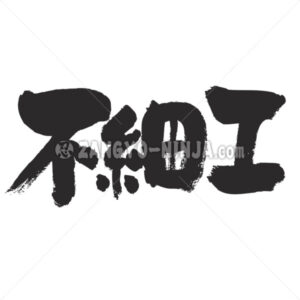
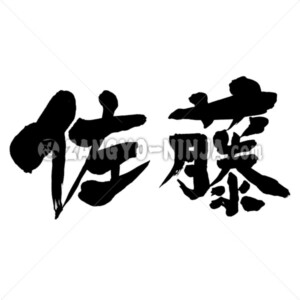
Sato is the 1st common Japanese surname. The surname Sato is said to have started with the gift of Kamatari Nakatomi (Mr. Fujiwara) from Emperor Tenchi, and the name of Sato by the descendant of Hidesato Fujiwara, Kinkiyo Saemonnojo. When the Fujiwara family prospered, he called “Sa” the second role after the highest position … Read More