
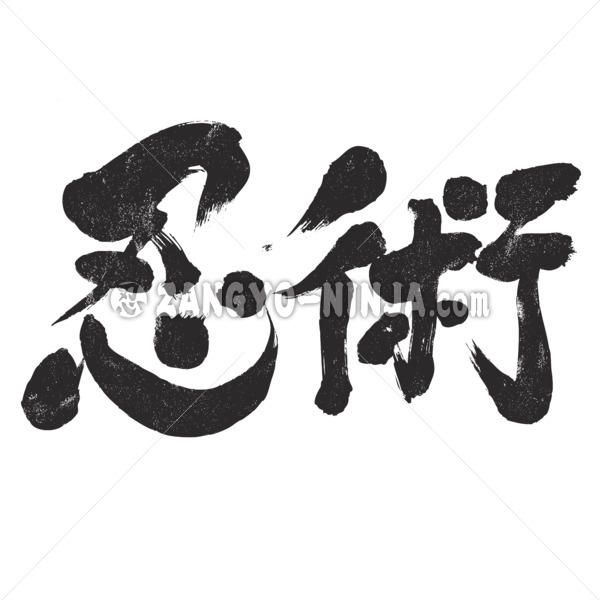

Special techniques used in military strategy during the samurai era. These techniques were used for purposes such as espionage, information gathering, plotting, and assassination, and involved disguises, invisibility, and trickery to take advantage of people’s weaknesses and act boldly and swiftly. The origins of these techniques can be found in China’s Sun Tzu’s Art of War, specifically in the chapter titled “On Spies.” Military strategy spread from China to Japan and developed in a unique way, giving rise to ninjutsu, the art of using kan (surveillance and strategy), which was practiced by ninjas.
Ninjas and ninjutsu
When we talk about ninjutsu, we are referring to ninjas, who formed a special class and organized themselves into regional groups. Among the ninjutsu organizations that were active in the battlefield during the Warring States period, those of Iga and Koga were particularly famous. The origins of ninjutsu in Japan are unclear, but it is thought to have some connection to the esoteric elements of Tendai and Shingon Buddhism during the Heian period, as well as the ascetic practices of mountain worship. In particular, many theories trace the origins of ninjutsu to En no Gyōja, the founder of mountain worship. Additionally, the practice of forming hand seals and reciting incantations may be related to the mountain ascetics of esoteric Buddhism. However, the similarities between religious ascetic practices and ninjutsu alone do not necessarily imply a direct connection. The individual who best understood and utilized ninjutsu was Tokugawa Ieyasu. Ieyasu enlisted the support of the ninja clan through his vassals, Hattori Hanzō and his son Hattori Hanzo, and utilized their ninja organization as a secret agency in establishing the Tokugawa shogunate.


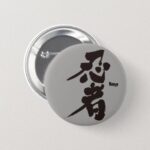
![[Kanji] Ninja T-Shirt](https://www.zangyo-ninja.com/wp-content/uploads/kanji_ninja_t_shirt-white_jg9nh_1024-150x150.jpg)