

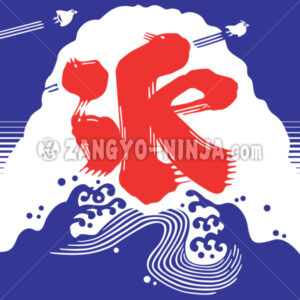
Description iCe and Natsugori(夏氷) This design is an artist’s interpretation of the traditional Japanese motif known as “Natsugori” (夏氷). When summer arrives in Japan, shops hang these flags to signal, “We’re selling shaved ice!” The word “ice” written in red at the center is actually the Japanese character for ‘ice’ (氷), rendered in bi-calligraphy—Japanese … Read More
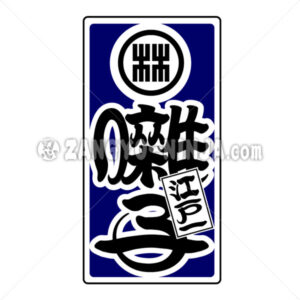
This is a fictional group performing hayashi music. This work designs the fictional hayashi group “Hayashi” in the style of a senjafuda (temple/shrine charm) using this site’s original font. The font under development features an ultra-thick line style resembling brushwork, often called senja-moji or yose-moji, with enhanced curves and rounded forms. The large kanji … Read More
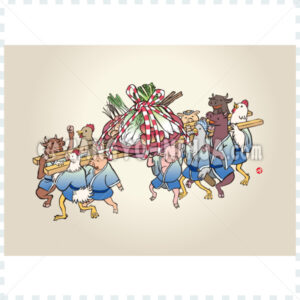
This is the second type of illustration drawn in a hand-drawn style. The first type is here. It signifies a fertility festival. In Japan, local festivals are frequently held mainly in the autumn season. It is a festival to celebrate a good harvest, so it is held in the season when the rice harvest … Read More

This style comes from the Manga culture If you look closely, you can see the letters slightly bulging in a heart shape. In manga, it is common to intentionally distort the lines toward the center or the character in order to make the space look wider, as if looking through a camera’s wide-angle lens, … Read More


Covers approximately 5,000,000,000 people This is a heart-shaped typographic representation of the word “thank you” in 44 languages. The choice of words has been made so that the thank you in each country are polite or formal, or more emphatic than a general thank you, so that they can be used by friends, family, … Read More
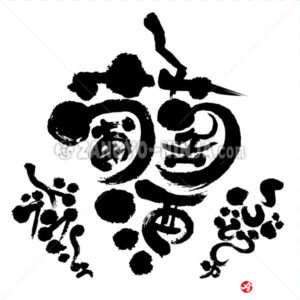
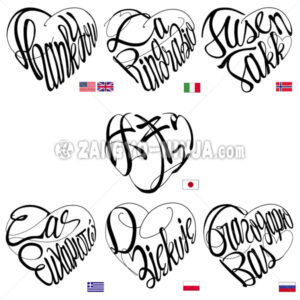
This is a typographic work that expresses the feeling of “Thank you” in the form of English, Italy, Norwegian, Polish, Greek, Russian and Japanese Katakana. The theme is “Heart of Gratitude”. The English version is styled differently The one-line style is Thank you in English. 2-line style Thank you can be found at the … Read More

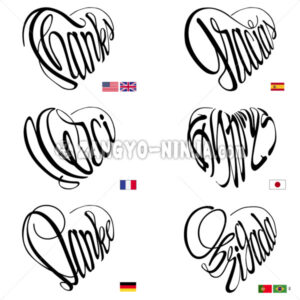
Thank you is expressed in English, Spanish, French, Indian Hindi and Japanese Hiragana as a heart-shaped writing style. And theme is “Heart of Gratitude”. It corresponds to the Japanese honorific of gratitude, “Arigatou Gozaimasu”. The basic hiragana “arigatou” is shown here, but “gozaimasu” is added after it to show respect. This is the current … Read More
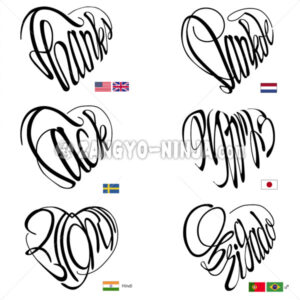
Thanks is expressed in English, Spanish, French, German, Portuguese and Japanese Hiragana as a heart-shaped writing style. And theme is “Heart of Gratitude”. The Japanese phrase “thanks” is written in a basic form. This Japanese phrase “arigatou” is the basic form of the word “thanks”. Although there are ways to write it that include … Read More
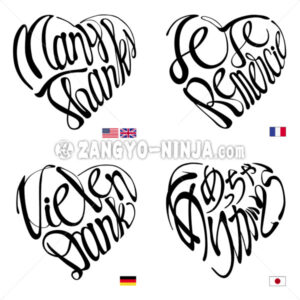
Many thanks is expressed in English, French, German, and Japanese Hiragana as a heart-shaped writing style. And theme is “Heart of Gratitude”. The Japanese phrase “many thanks” is written in a modern way In Japanese, it is “Meccha Arigatou”. This is also written entirely in hiragana. “Arigatou” is equivalent to ‘Thanks’ in English, as … Read More
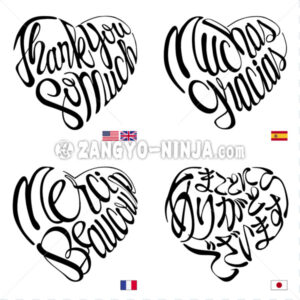

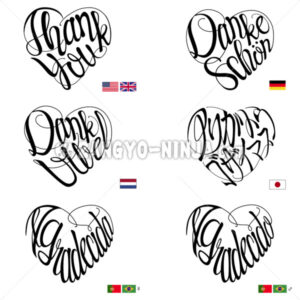
This is a heart-shaped typographic rendition of the word “Thank you” in English, Spanish, French, German, Japanese Hiragana, Dutch, Swedish, and Portuguese. Since Portuguese is divided into male and female words, there are 9 types of designs in 8 languages in total. Heart-shaped design Have you ever forgotten to say thank you when someone … Read More
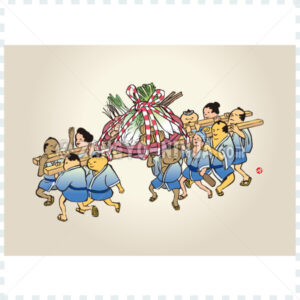
This is a contemporary illustration drawn in brushstroke style. In Japan, there are invisible dwarfs. There is a Japanese folktale about a dwarf called “Issunboushi” who exterminates demons. There is also a world fairy tale about “Seven Dwarfs” who save a princess in a castle. Where do these dwarfs come from and what do … Read More

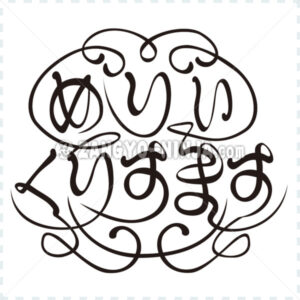
Description for Happy birthday in Japanese This is a colloquial “translation of Happy birthday to” in hiragana. If you fill in the name of the person giving it at the bottom, your feelings of celebration will be transmitted. It is a design that arranges it in a cursive style. It’s red for celebratory purposes, … Read More
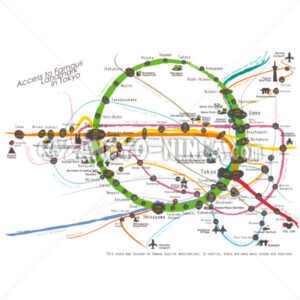
This work is a brush-style work of the lines (train and subway) to the famous landmarks of Tokyo. There are so many lines in Tokyo. The routes and transfer stations for going to the landmarks are listed. The file(vector ai file)is divided into layers by line, station name and station number for each layer. … Read More

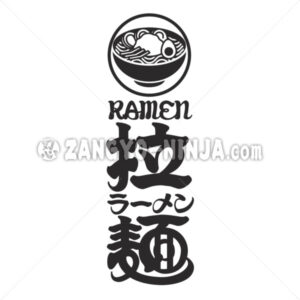
Japanese ramen has become incredibly diverse. Starting with noodles brought over from China as “Chinese noodles,” people changed the noodles, changed the soup, and arranged the toppings. Ramen quickly gained popularity among the masses and spread throughout Japan in no time. Description of this work An illustration of ramen resembling a family crest is … Read More