
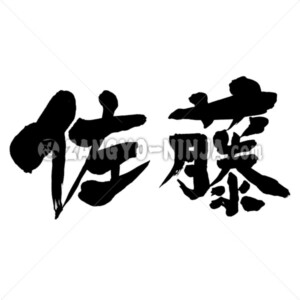
Hello, Mr. Sato. This is an explanation of the origin of the surname Sato, which is shared by your ancestors and friends. The surname Sato is said to have started with the gift of Kamatari Nakatomi (Mr. Fujiwara) from Emperor Tenchi, and the name of Sato by the descendant of Hidesato Fujiwara, Kinkiyo Saemonnojo. … Read More

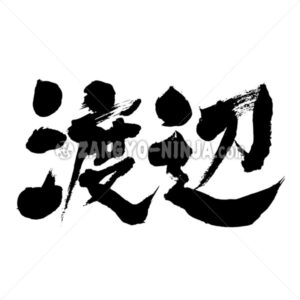
Hello, Mr. Watanabe. This is an explanation of the origin of the surname Watanabe, which is shared by your ancestors and friends. Watanabe is the 6th most common Japanese surname. There are many variations of the Watanabe surname, and this kanji form of Watanabe is the most common in Japan.

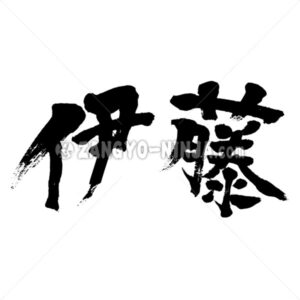
Hello, Mr. Ito. This is an explanation of the origin of the surname Ito, which is shared by your ancestors and friends. It is the fifth most common surname in Japan. The surname Ito was adopted by descendants of Fujiwara no Hidesato, a warrior of the Fujiwara clan descended from Fujiwara no Kamatari (614–69), … Read More
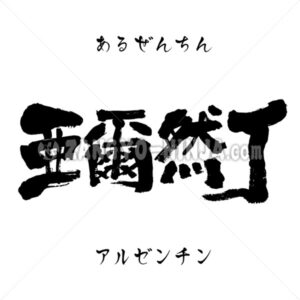
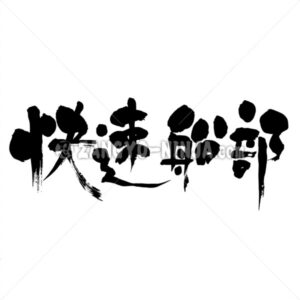
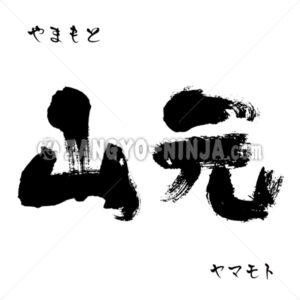
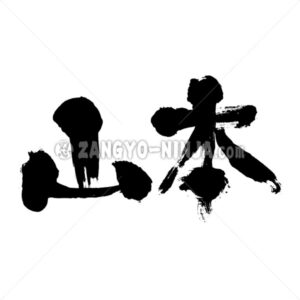
Hello, Mr. Yamamoto. This is an explanation of the origin of the surname Yamamoto, which is shared by your ancestors and friends. This is another surname with the same pronunciation but different kanji characters. Unlike the common Yamamoto in Japan (where the second character is “本” meaning “book”), this one uses “元” meaning ‘origin’ … Read More
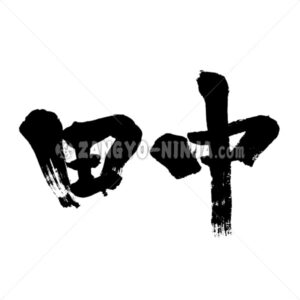
Hello, Mr. Tanaka. This is an explanation of the origin of the surname Tanaka, which is shared by your ancestors and friends. Tanaka is the 4th most common Japanese surname in Japan. The etymology is for rice fields and cultivation. The surname “Tanaka” originates from geographical features or place names such as “in the … Read More

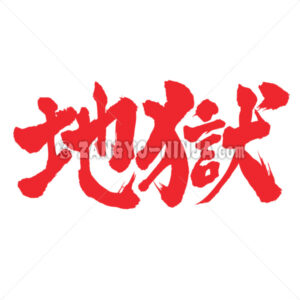
This etymology came from India in Buddhism. What used to be called “naraka” in Sanskrit was transcribed and transmitted to China to become “naraku”. In China, Naraka meant an underground prison, so it was omitted and became hell. It is said that the words “hell” and “naraku” were introduced to Japan. Japanese said “Ji … Read More
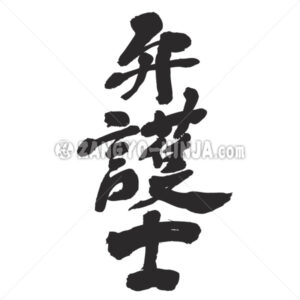
Description for lawyer A lawyer, along with a judge and a prosecutor, is one of the three legal professionals and a legal practitioner. And while judges and prosecutors are civil servants, lawyers are called legal profession. In other words, a lawyer is a person who is active in civil and criminal proceedings for the … Read More
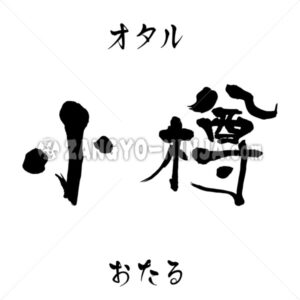
The name “Otaru” originates from the Ainu word “Otarnai,” meaning “river in the sand,” which was used to describe this area in ancient times. Otaru, one of Japan’s premier tourist cities. Otaru, a beautiful coastal city in Hokkaido. Developed as the “Commercial Capital of the North” since the Meiji era, Otaru boasts numerous retro … Read More
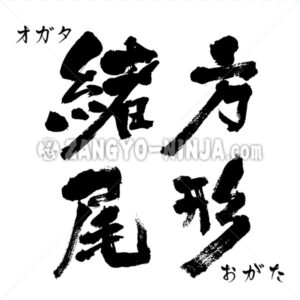
Hello, Mr. Ogata. This is an explanation of the origin of the surname Ogata, which is shared by your ancestors and friends. Their origins seem to differ depending on the era and location. Origin of this surname Originating from Ogata-cho, Bungo-Ono City, Oita Prefecture. A place name recorded during the Nara period. It is … Read More
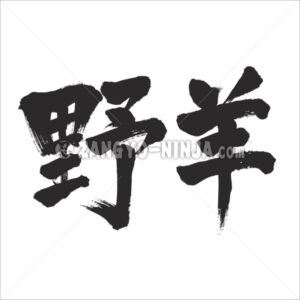
Bovid mammals. Livestock are domesticated goats that live in rocky mountains in West Asia. Similar to sheep, but with long necks and many males and females with horns, males have long-haired tufts on their chin. Generally, the properties are in warm order and form a flock. You can eat foliage and keep it even … Read More