


Like snails, terrestrial shellfish. It has lungs and is capable of air breathing. Shellfish are degenerated but definite shellfish. Eating habits vary considerably, from those that eat plant-based foods to those that attack other slugs and earthworms, and those that catch carcasses of animals. Japanese says “Na me ku ji”.
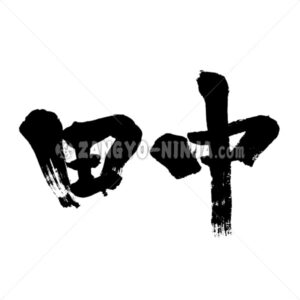
Hello, Mr. Tanaka. This is an explanation of the origin of the surname Tanaka, which is shared by your ancestors and friends. Tanaka is the 4th most common Japanese surname in Japan. The etymology is for rice fields and cultivation. The surname “Tanaka” originates from geographical features or place names such as “in the … Read More


Brunei is a Muslim country in Southeast Asia and a member of the Commonwealth of the United Kingdom. Located on the northern part of Borneo Island (Kalimantan Island), the northern side faces the South China Sea, and on land, it is surrounded by Malaysia. This Kanji notation was used until the early Showa period, … Read More

Nagasaki is the capital and the largest city of Nagasaki Prefecture on the island of Kyushu in Japan. Nagasaki was founded by the Portuguese in the second half of the 16th century on the site of a small fishing village, formerly part of Nishisonogi District. It became a center of Portuguese and other European … Read More




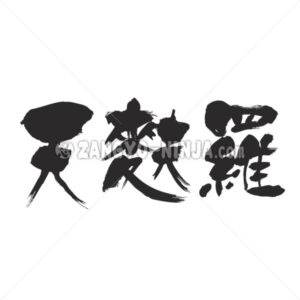
Japanese says Ten-pu-ra. Battered with water-soluble wheat flour and fried in vegetable oil. It begins in the Edo period. this is most difficult kanji. The etymology of tempura is “tempero” which means “cooking” in Portuguese and “templo” which means “heavenly day (day when birds and beasts are forbidden and eat fried fish)” in Spanish. … Read More


A horticultural technique peculiar to Japan in which trees are planted in small pots and cultivated so as not to damage the appearance of nature. It is important to express the atmosphere of nature, and it is an art of horticulture. Almost all kinds of zelkova, maple, plum, etc. can be bonsai, and even … Read More