

Description for Petersburg
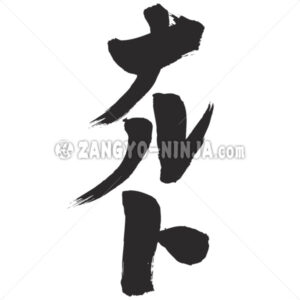
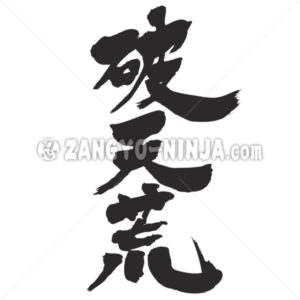
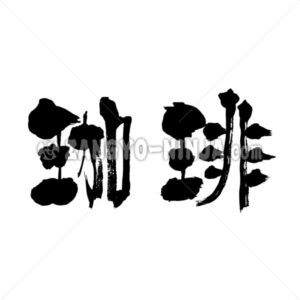
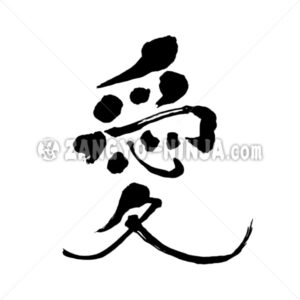
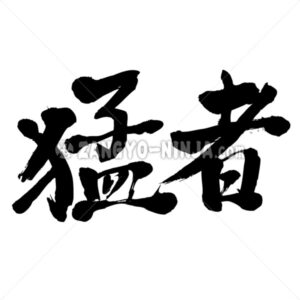
The kanji representation of Petersburg, the abbreviated name for Saint Petersburg.
Russia’s second-largest city after Moscow. Located in the delta region at the mouth of the Neva River, deep within the Gulf of Finland on the eastern coast of the Baltic Sea, approximately 650 km northwest of Moscow.
Russia’s second-largest city after Moscow. Located in the delta region at the mouth of the Neva River, deep within the Gulf of Finland on the eastern coast of the Baltic Sea, approximately 650 km northwest of Moscow.
Saint Petersburg serves not only as a seaport but also as a key hub for land and air transportation. It has an international airport, and mainline railways radiate outwards, connecting it not only domestically but also via direct trains to Helsinki and Warsaw.
One-fifth of the city area is green space, with parks and promenades covering 4,200 hectares. Large green areas are located on the city’s periphery, the largest being the Yurtlovsky summer cottage area in the northwest. Furthermore, forest parks surround the city limits, reflecting a strong commitment to greening the metropolitan area.
As a city of water, approximately one-tenth of its area is water surface, with canals crisscrossing the town. Its historic district, featuring the State Hermitage Museum—famous for an art collection rivalling Paris’s Louvre—along with the Winter Palace, Catherine Palace, and Alexander Nevsky Monastery, was designated a UNESCO World Heritage Site in 1990.