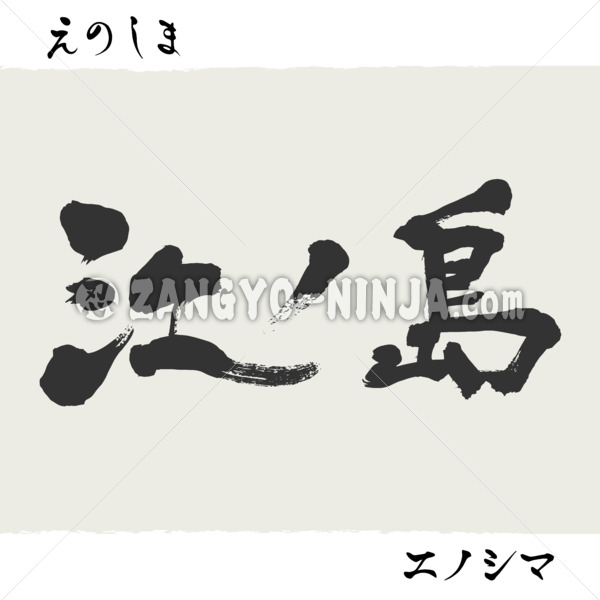
What is Enoshima?
An island located in the northeastern part of Sagami Bay in Kanagawa Prefecture. It is connected to Katase on the opposite shore by the Benten Bridge and Enoshima Bridge, and is home to Enoshima Shrine (Enoshima Benten), which has been a place of deep religious devotion since the Kamakura period. The island is named after its resemblance to the character “江” (e).
The highest point is 60 meters above sea level, forming a plateau, offering a wide view of Sagami Bay, Izu, Hakone, Mount Fuji, Tanzawa, and Mount Oyama. Connected to the historic city of Kamakura, it serves as the center of Shonan tourism and has been included in international tourist routes, making it popular among both locals and foreigners since early times.
A recreational spot since the Kamakura period
Enoshima has been a recreational spot since the Kamakura period, attracting many Kamakura samurai. During the Edo period, it was frequently visited by Edo townspeople and travelers on the Tokaido Road, and a pilgrimage route was formed that included Oyama, Kamakura, Kanazawa Hakkei, and Kawasaki Daishi, leading to the development of a temple town. Even today, there are ryokan (traditional Japanese inns) that continue from the temple lodgings and regular lodgings of pilgrimage groups.
Many tourist spots remain today
At the highest point of the island, there is an observation tower and a tropical botanical garden. On the east coast, there is a yacht harbor and Shonan Port. The surrounding area is ideal for rock fishing. The opposite shore, Katase Beach, is a popular swimming spot.
The scene of New Year’s Eve and New Year’s Day, when the national highway was filled with people and motorcycle gangs, is no longer seen since the Showa era, but due to the branding of Shonan and the convenience of being able to reach it by train from the city center, it has been bustling with people regardless of the season or day of the week in recent years.
Explanation of this calligraphy
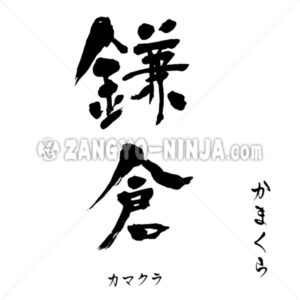
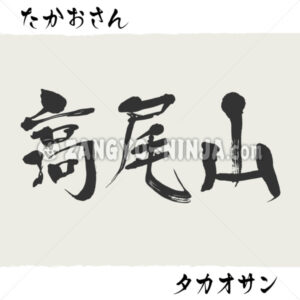
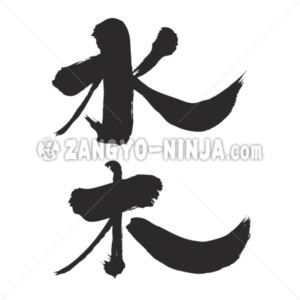
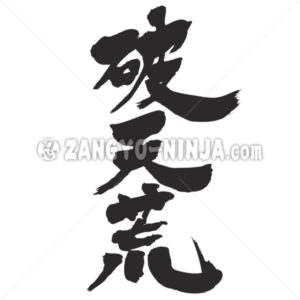
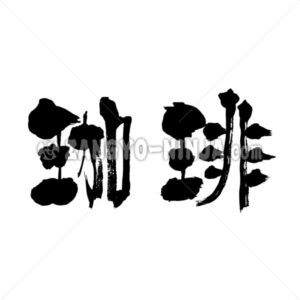
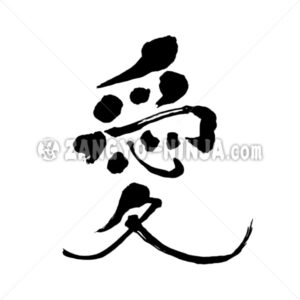
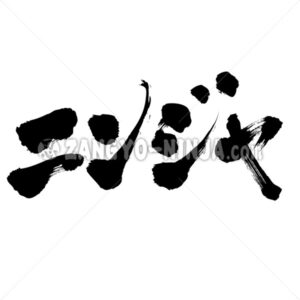
The top row is in hiragana, the middle row is in kanji, and “ノ” is in katakana. Although “の” is typically written in hiragana, either is acceptable. The bottom row is entirely in katakana.