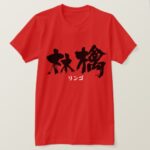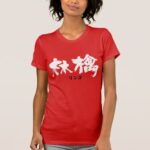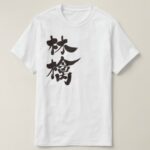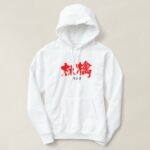

Home » Food & Drink » Apple wrote by vertically in Kanji

☆彡☆★☆Christmas Sale 50% OFF!★☆★Use coupon code“6pqpuw7j”. ★Excludes ‘ITEM’ on this site. ★Valid until December 25th. ★Enter“6pqpuw7j” at checkout.☆★☆SAVE 50%★☆★☆彡

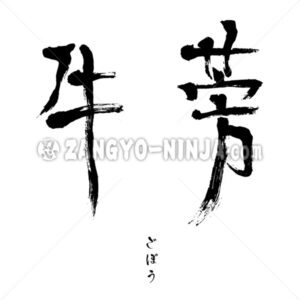
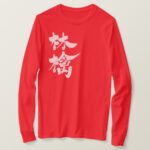
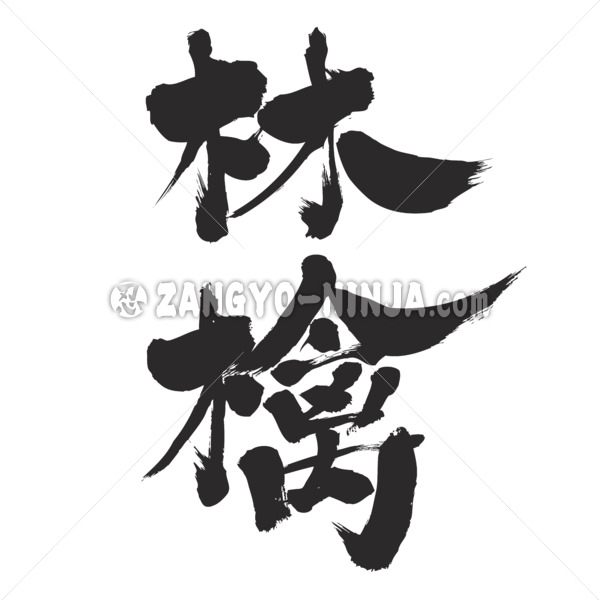
Apple wrote by vertically in Kanji

created by designer

$0.00$1,490.00

600x600
$0.00
1920x1920
$4.80
6000x6000
$9.80
Full
$19.80
Full
$980.00
Full
$1,490.00
Category:

The apple is the oldest fruit consumed by humans, with origins dating back about 8,000 years. In Japan, cultivation began in the Meiji period (1868-1912).
Because they are highly nutritious and easy to eat, they are favored all over the world. In the West, it has been said that “an apple a day keeps the doctor away. It is also low in calories and good for the stomach. Since most of the fiber is in the peel, eat it with the peel.
The best time to eat them is by the color of the skin. As they ripen, the red-skinned varieties turn red, and the hollow part of the rind turns from green to yellow.
When cut, the skin turns brown because the polyphenols in the pulp have oxidized. Soaking them in salt or lemon water for a while will prevent the discoloration.

Nutrition of apples

Abundant organic acids, such as malic acid and citric acid, promote recovery from fatigue. Pectin, a soluble fiber, has a beneficial effect on intestinal regulation and cholesterol absorption.
It is also rich in polyphenols, which are expected to have antioxidant, fat-reducing, and anti-aging effects.

How to store apples

Store at low temperatures with high humidity. Put them in thin plastic bags or wrap them one by one in plastic wrap and place them in the vegetable compartment of the refrigerator. Wrapping them in newspaper and then placing them in a plastic bag will help them keep for a longer period of time. However, be careful not to refrigerate them too much, as their aroma and sweetness will not come through.

The origin of the Japanese name is

Japanese said “Rin Go”.
The Chinese name “apple (rinchen)” is thought to have been a transposition of the Chinese names for the tree, such as rin-kin, rinki, and riu-gou. The Chinese character for apple is believed to mean a tree that attracts birds.
The sweet taste and aroma of fruits, not just apples, can attract birds, and among them, apples may have attracted birds in particular.
The 2nd character for “檎” was called “kin” in Chinese and “gong” in Wu, and the name “apple” is said to have come to be called “lingkin, lingon”, which in turn was called “ringo”.
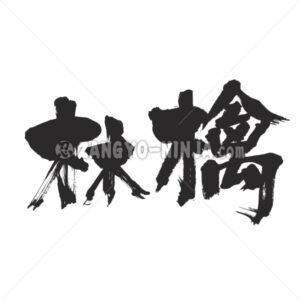
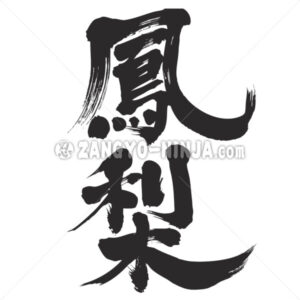
Technical Details AI Vector, 116.28 KB
, , , , ,

People also views for about Apple

   
Apple wrote by horizontally in Kanji - Zangyo-Ninja

Apple wrote by horizontally in Kanji

Apples are a fruit of the family Rosaceae, the genu [...]
vector
FREE~ View detail
pineapple in Kanji - Zangyo-Ninja

pineapple in Kanji

1. large sweet fleshy tropical fruit with a termina [...]
vector
FREE~ View detail
sugar in Kanji - Zangyo-Ninja

sugar in Kanji

White crystals soluble in water. Sugar cane, sugar [...]
vector
FREE~ View detail

Coffee in Kanji

It is one of the most popular beverages in the worl [...]
vector
FREE~ View detail
Turmeric in Kanji - Zangyo-Ninja

Turmeric in Kanji

Turmeric is a member of the ginger family. It is ch [...]
vector
FREE~ View detail

Works recommended by creator Aokage

Naruto wrote by vertical in Katakana - Zangyo-Ninja

Naruto wrote by vertical in Katakana

Description for Naruto Meaning of this character Th [...]
vector
FREE~ View detail
Ishida as surname in Kanji, Katakana and Hiragana - Zangyo-Ninja

Ishida as surname in Kanji, Katakana and Hiragana

One of the Japanese surnames. This surname is relat [...]
vector
FREE~ View detail
Mizuki in surname Kanji - Zangyo-Ninja

Mizuki in surname Kanji

This is 2,857th surname in Japan It is said that th [...]
vector
FREE~ View detail
eccentric, unprecedented in Kanji - Zangyo-Ninja

eccentric, unprecedented in Kanji

Doing things that no one has ever done. Breaking th [...]
vector
FREE~ View detail
AOKAGE
998

Aokage

He won several gold and silver awards in Japanese-calligraphy (Shodo). He loves Sushi and Sashimi. Having practiced calligraphy since childhood, his father was qualified as a teacher. Aokage(青景) comes from the blue landscape like the sea, the clear blue sky. And the blue shadow. Shadow means a ninja.

People as smart as you are also looking at