
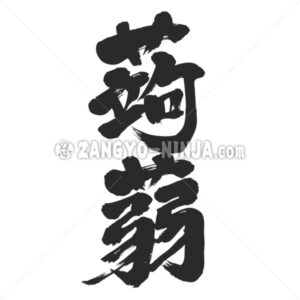
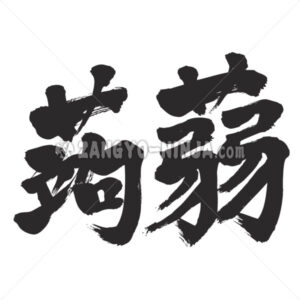
paste made from konjak flour. Solidified jelly made from the rhizome of devil’s tongue (Konjak taros). Low calorie and healthy foods in Japan. konjac, elephant’s‐foot, Amorphophallus, Amorphophalus rivieri, Amorphophallus konjak. Japanese says “Kon nyaku”.
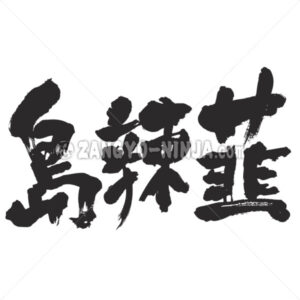
Rakkyo, a native species of Okinawa Prefecture. It is smaller and has a stronger scent than the scallions cultivated on the mainland. In addition to salted and sweet and sour sauce, it is also suitable for raw food and tempura. Allium bakeri, scallion, pickled shallot made in Okinawa. Japanese says Shima-rak-kyou.
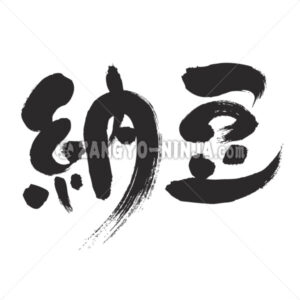
a food called fermented soybeans. Natto is sticky and it have long threads trailing from them. This food that is regarded as being good for health, but the Japanese people can also be divided into likes and dislikes. There are three main types of natto Itohiki (stringy) natto Itohiki natto is the first type … Read More
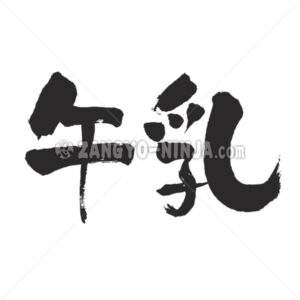
Soymilk is made by crushing soybeans soaked in water and simmering them with a cloth to make soymilk, and then adding bittern to the bittern to harden it. One of the typical Japanese foods, it is a soft white food made by solidifying soybean protein. Depending on the manufacturing method, it can be divided … Read More
Olive oil is an oil obtained from the olive (Olea europaea; family Oleaceae), a traditional tree crop of the Mediterranean Basin. It is commonly used in cooking, cosmetics, pharmaceuticals, and soaps and as a fuel for traditional oil lamps. Olive oil is used throughout the world, but especially in the Mediterranean countries.
Total length about 1m. The body is gray or grayish white, with dark, pale, pale mottles. The chest is darker than the body color. The head is large, wide and flat. The tail is thin and short. Have a rooster, shake it to attract small fish and eat. It is served for cooking in … Read More
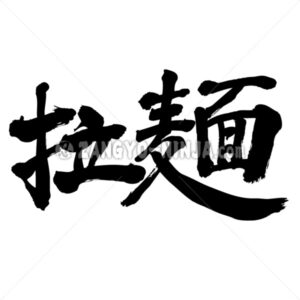
Ramen is a dish born from the influx of Chinese noodle cuisine into Japan and its fusion with Japanese food culture. By combining the five elements of noodles, broth, sauce, ingredients, and fat/oil, an infinite number of recipes can be created, and many variations exist in terms of taste and style, including Soy sauce … Read More
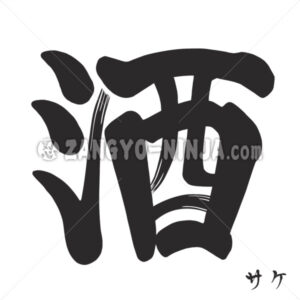
About Sake An alcoholic beverage made by fermenting rice. Japanese sake. In ancient times, cloudy sake was predominant, but clear sake began to be produced around the Muromachi period. Today, it primarily refers to clear sake. Made from rice, rice koji (malted rice), and water, fermented and then filtered. Secondary ingredients such as glucose, … Read More
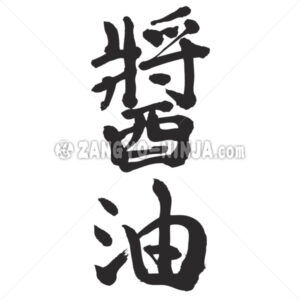
One of the most important seasonings in Japan, unique to Japan. Soy sauce koji made from soybeans and wheat is prepared by adding a concentrated salt solution and squeezed and fermented for about one year. Japanese says Sho-yu, Shou-yu. It is an essential seasoning for Japanese people When you get off at an overseas … Read More
Sukiyaki history One of the hot pot dishes. Beef is mainly used, but there are also chicken plows that use chicken, pork and other meats and fish and shellfish. There is no theory that the meaning of sukiyaki is that plow was used instead of a pot, but the use of used plow is … Read More
Japanese ramen has become incredibly diverse. Starting with noodles brought over from China as “Chinese noodles,” people changed the noodles, changed the soup, and arranged the toppings. Ramen quickly gained popularity among the masses and spread throughout Japan in no time. Description of this work An illustration of ramen resembling a family crest is … Read More