
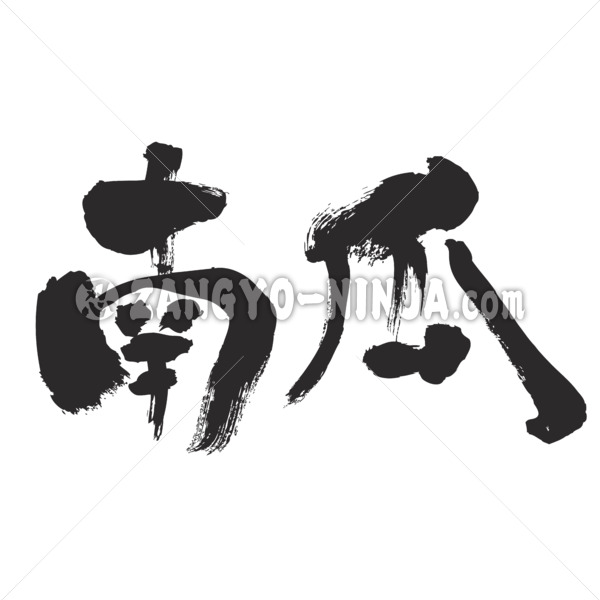
Description for Pumpkin
Pumpkin is a general term for fruit vegetables belonging to the genus Cucurbita within the family Cucurbitaceae. While native to the Americas, the primary production areas are China, India, Ukraine, Africa.
Wild species of the genus Cucurbita are distributed only in the New World, with most occurring in Mexico and Central America, totaling 11 species. Among the five cultivated species, Japanese pumpkin, chestnut pumpkin, and pepo pumpkin are widely cultivated worldwide.
As a fruit vegetable, pumpkin is the richest in starch and has a high caloric value, second only to tubers and legumes.
It is called “kabocha” in Japanese.
Japanese Pumpkin
Native to various regions of Japan, the Japanese pumpkin has been improved through breeding, resulting in numerous distinctive varieties. It is commonly called kabocha or tounasu. Its vines are thick, trailing along the ground, covered in coarse hairs, and feature ridges or grooves. The ripe fruit is used in simmered dishes and soups. Because it stores well, it is often eaten around the winter solstice.
Butternut Squash
Also called Western squash. Stem cross-section is round; leaves have shallow lobes, are pale green, and lack white spots. The fruit stalk is cylindrical with ridges and, unlike Japanese squash, remains soft even when mature. The fruit is typically large with a smooth surface. The flesh is slightly starchy.
Pepo Pumpkin
Widely cultivated in Southern Europe, America, etc., for vegetables and feed. Some varieties have short stems and do not vine. Leaves have deep lobes, are green, and lack white spots. Fruit shape varies by cultivar. Both stems and fruit stalks have five ridges. Suitable for cultivation in cool regions. Also used for decoration; pumpkins carved into lanterns for Halloween are often from this species.