

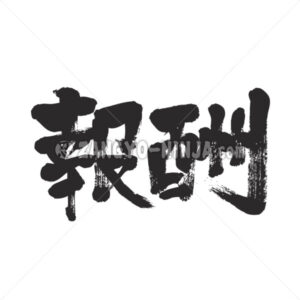
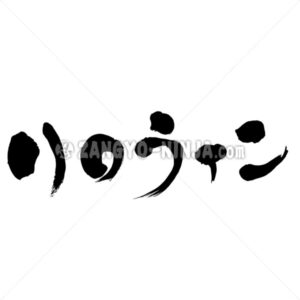
1. Money / goods paid as compensation for labor or use of goods. 2. In brain science, a stimulating stimulus that encourages a person to take a specific action. And what causes it. A meal that satisfies your appetite or a partner that satisfies your sexual desire. Japan call “Ho shu”.
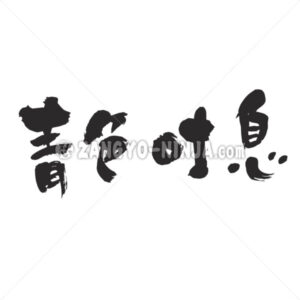
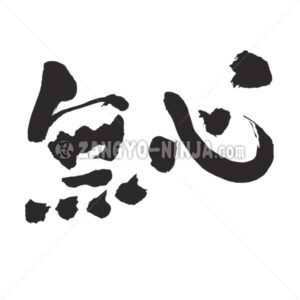
An unsatisfactory sigh when you are in very troubled or extremely painful. It also refers to the state at such time. When you have a lot of hard work and hard work, you are exhausted from your body and mind, and you have a hard time breathing. Japan call “Ai iro to iki”.
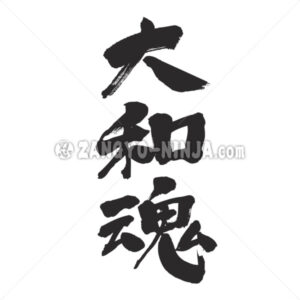
1. This refers to the ability and wisdom to handle Japanese business practices and current affairs for the knowledge gained from studying Han studies. 2. A spirit unique to the Japanese people, used in national ideology since the early modern times. Japanese consciousness. Japan says “Yamato Damashii”.
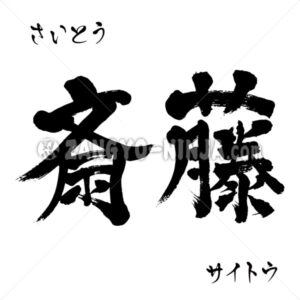
Hello, Mr. Saito. This is an explanation of the origin of the surname Saito, which is shared by your ancestors and friends. Its origin dates back to the Heian period when Fujiwara no Toshihito’s son, who was appointed as the head of the Saikyū (Sacred Palace Maiden) at Ise Shrine, adopted the name “Saito” … Read More
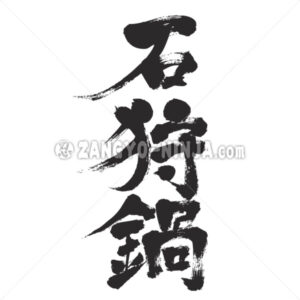
This is a Japanese hot pot dish made with crab as a main ingredient and miso seasoned, and is a local dish of Hokkaido. Often confused with Sanpei soup using salted salmon, Ishikari Nabe uses raw salmon that is made with miso and is not salted. Japanese says “Ishi kari nabe”.
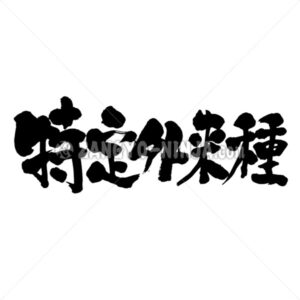
It is designated as an alien species of overseas origin that damages or may cause damage to the ecosystem, human life / body, agriculture, forestry and fisheries. Specific exotic organisms are limited to living organisms, and include not only individuals but also eggs, seeds, and organs. Japan call “Toku tei gai rai shu”.
A Chinese martial art similar to Karate. In other parts of China, it is a term widely used not only for Chinese martial arts, but also means “practice / training / accumulation”, which is regarded as important in Chinese martial arts, and “time and labor”.
A type of martial arts where competitors wearing armor face each other and compete for victory or defeat by hitting the part specified by bamboo swords. In the Edo period, it became a samurai table art, and further merged with Bushido to have a spiritual content, but entered the Meiji period and declined with … Read More